

Modern electronic technology continues to evolve, making devices smaller, more powerful, and increasingly versatile. Smartphones, computers, medical instruments, automotive systems, and industrial control equipment all rely on carefully designed electronic circuits to perform their functions.

A printed circuit board (PCB) serves as the foundation of an electronic assembly, supporting components and providing conductive paths for power and signal transmission.

Electronic devices may require component replacement, circuit modifications, or repairs as they age or undergo design improvements.

Developing an electronic product requires more than designing a circuit that works in theory. The electrical connections must eventually be translated into a physical structure that can be manufactured, assembled, and tested.

A multimeter is one of the most practical tools for diagnosing electrical problems on a printed circuit board (PCB).

If you have ever looked inside a computer, industrial controller, smartphone, or other electronic device, you have probably noticed the familiar green circuit board.

Printed Circuit Boards (PCBs) are manufactured in large quantities for applications ranging from consumer electronics and industrial equipment to automotive systems and communication devices.

Printed Circuit Boards (PCBs) are an essential part of almost every modern electronic device. From simple hobby projects and educational kits to industrial controllers, home appliances, automotive systems, and advanced control equipment, PCBs provide a stable platform for connecting and operating electronic components.

Printed circuit boards are at the heart of countless electronic products, from consumer devices to industrial control systems. As modern electronics become smaller and more sophisticated, PCB layouts are becoming increasingly compact, with more components, interconnections, and functional circuits integrated into limited board space.

Modern electronic products continue to become smaller, faster, and more functionally integrated. To accommodate increasingly complex circuits, manufacturers place more components and conductive paths within limited PCB space.

A Printed Circuit Board (PCB) brings multiple electronic components together through carefully designed circuits and conductive traces. When the board is operating normally, each component performs its intended function and works together with the rest of the circuit. However, the failure of a single resistor, capacitor, diode, IC, connector, or other component can affect the performance of the entire system.

Soldering creates the mechanical and electrical connection between electronic components and a Printed Circuit Board (PCB). Once soldered, components are normally intended to remain securely attached to their designated pads.
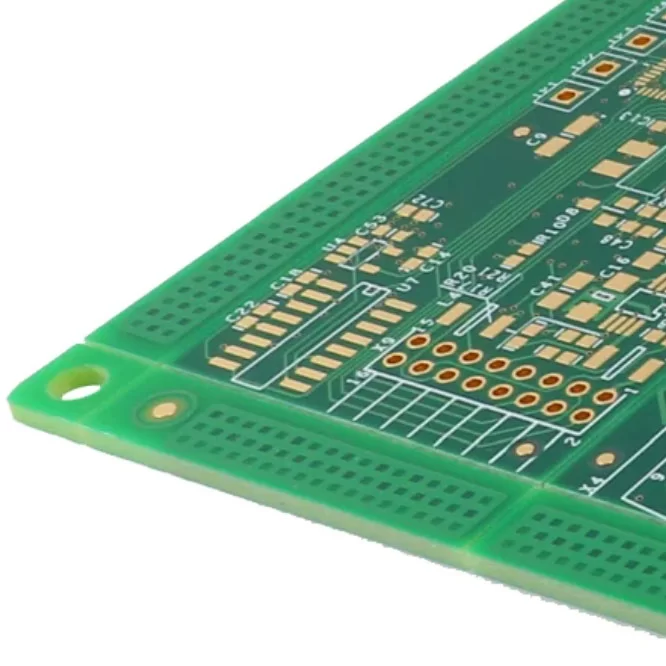
FR-4 stands out as one of the most versatile options. The composition of an FR-4 printed circuit board comprises a woven glass fabric reinforcement impregnated with a flame-retardant epoxy resin binder.

PCB type: Rigid PCB
Layer: Multi-layer
Base material: FR-4
Solder mask: Green
Silk screen: White
Surface treatment: HASL
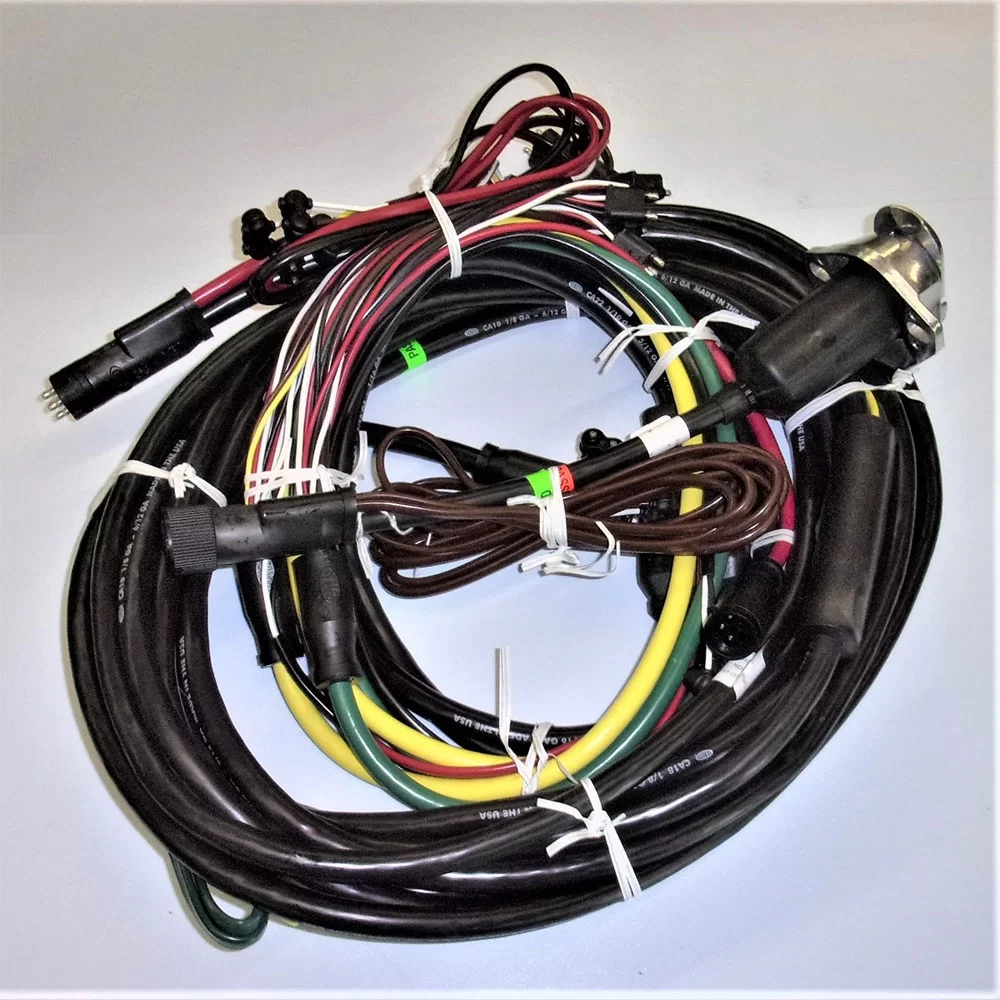
A truck wire harness is like the nervous system of a truck. It is a group of wires, connectors, and terminals that link all the electrical parts together.


