

In modern electronic equipment, the Printed Circuit Board (PCB) serves as the foundation that connects electronic components and enables electrical signals and power to move through the circuit. When a device experiences unexpected shutdowns, unstable performance, or complete failure, the PCB is often one of the areas that needs to be examined.

The continuous development of electronics has driven manufacturers toward smaller components, higher circuit density, and more compact product designs. Devices that once required large enclosures can now deliver significantly more functions in much smaller spaces. This progress has placed greater demands on PCB design, component selection, manufacturing precision, and assembly processes.

The rapid development of electronic products has created demand for PCBs with higher circuit density, smaller feature sizes, and improved reliability. From automotive control systems and industrial equipment to mobile devices and consumer electronics, modern circuit boards often operate under demanding electrical, thermal, and environmental conditions.

Printed Circuit Boards (PCBs) are at the heart of almost every electronic device we use today. From consumer electronics and industrial control systems to robotics, automotive electronics, and IoT products, PCBs provide the electrical connections and mechanical support that allow electronic components to work together efficiently. While many beginners start building circuits on breadboards for quick prototyping, those temporary setups quickly become difficult to manage as projects grow in size and complexity.

Printed Circuit Boards (PCBs) serve as the foundation of almost every electronic device. Whether used in consumer electronics, industrial automation, automotive systems, telecommunications, or medical equipment, a PCB must operate reliably before it can be integrated into a finished product.

Capacitors are among the most common and important components found on Printed Circuit Boards (PCBs).

Printed Circuit Boards (PCBs) are the foundation of modern electronic products, providing electrical connections and mechanical support for thousands of electronic components. From consumer electronics and industrial automation to automotive systems and medical devices, nearly every electronic product relies on a PCB to function properly.

Printed Circuit Boards (PCBs) are built by integrating electronic components, copper traces, and insulating materials into a complete electrical system.

Building a circuit on a breadboard is an excellent way to test a design, but it is only the first stage of electronics development.

Printed Circuit Boards (PCBs) are the foundation of virtually every electronic product, from consumer electronics and industrial controllers to automotive systems and medical equipment.

Printed Circuit Boards (PCBs) are designed to provide stable electrical connections throughout the lifetime of an electronic product. However, prolonged exposure to moisture, chemicals, dust, or corrosive environments can gradually damage the metal surfaces on a PCB.

Printed Circuit Boards (PCBs) are the foundation of modern electronic devices, providing both mechanical support and electrical connections for electronic components.
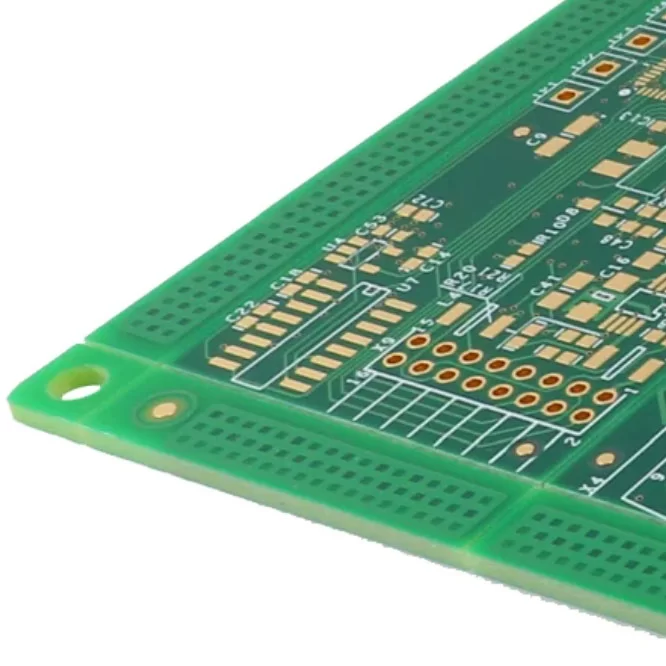
FR-4 stands out as one of the most versatile options. The composition of an FR-4 printed circuit board comprises a woven glass fabric reinforcement impregnated with a flame-retardant epoxy resin binder.

PCB type: Rigid PCB
Layer: Multi-layer
Base material: FR-4
Solder mask: Green
Silk screen: White
Surface treatment: HASL
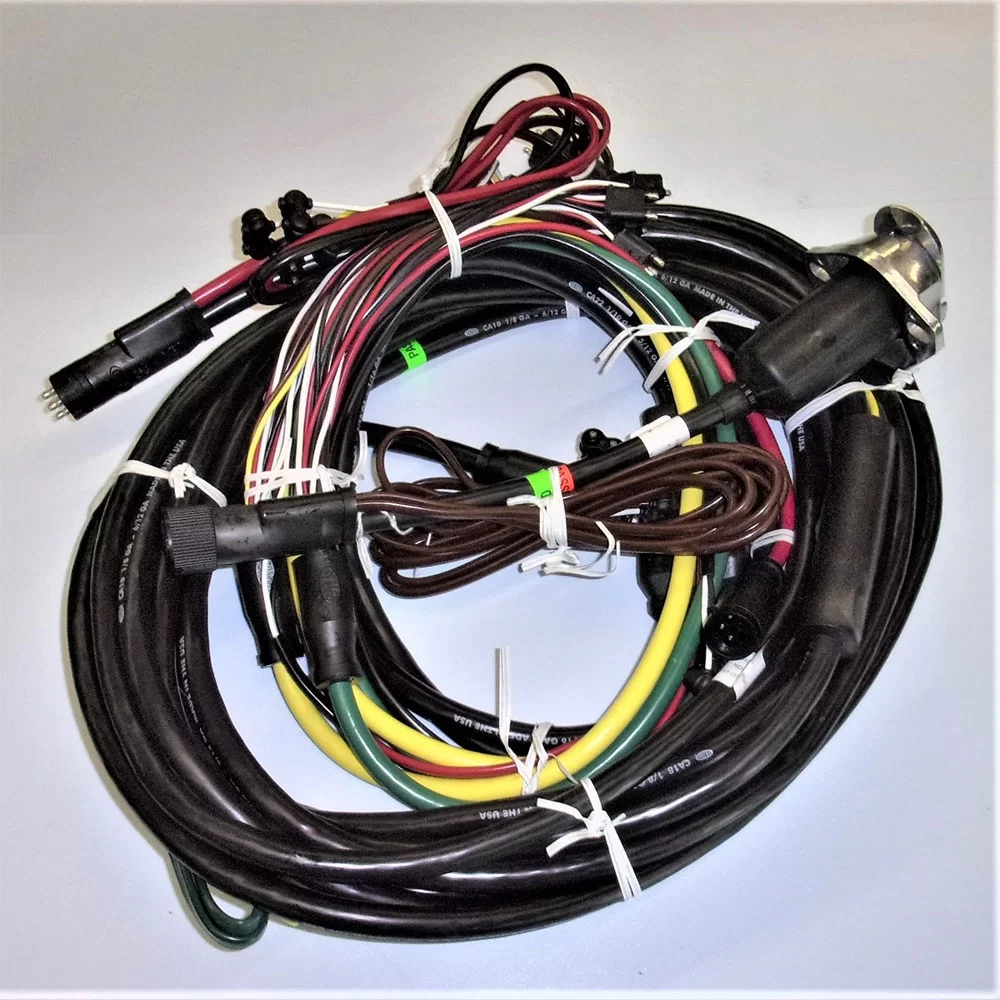
A truck wire harness is like the nervous system of a truck. It is a group of wires, connectors, and terminals that link all the electrical parts together.


