
New Energy Vehicle Charging Pile PCBA


PCBA for New energy vehicle charging pile 11kw with GB mode three and three-phase power 16A power supply supports Wifi, Bluetooth networking
Description | Capability |
PCB size | 168*152mm |
Operating temperature | -25° C ~85 ° C |
Working voltage | L1+L2+L3+N+PE |
Charging power | 4KW~11KW |
Charging mode | 6A~16A (adjustable) |
Display size | 3.5 inches, 4.3 inches |
Indicator light | 16 RGB lights |
Electricity metering | Support |
Protection function | over voltage/over current/leakage/over temperature |
Networking mode | WIFI/ Bluetooth |
Credit card anti-theft | Support (ISO14443 standard card) |
This new energy vehicle charging pile 11kW GB mode three three-phase 16A power supply motherboard is designed for the core components of the charging pile.
The operating temperature range of the motherboard is -25℃ to 85℃. This means that it can operate normally at lower temperatures, while also maintaining stable performance in high temperature environments.
- The mainboard supports L1, L2, L3, N, and PE five-wire power inputs. This power supply configuration meets the requirements of the national standard mode of three-phase power supply, providing stable and reliable power output.
- The motherboard supports 4kW to 11kW charging power output. This means that it can adapt to different models of new energy vehicles, providing them with the appropriate charging power.
- Charging mode: The motherboard supports 6A to 16A charging current output range, and can be adjusted arbitrarily within this range. This flexibility allows the charging pile to adapt to the charging needs of different vehicles.
- The motherboard supports two sizes of 3.5-inch and 4.3-inch display, equipped with 16 RGB lights, supports the power meter function, can accurately record the power consumption of the charging pile, convenient for users to manage and charge power.
- The motherboard integrates over-voltage, over-current, leakage and over-temperature protection functions to ensure the safety and reliability of the charging pile.
- The motherboard supports networking through WIFI or Bluetooth so that the charging pile can interact with other devices or platforms for data and remote control.
- Swipe card anti-theft: the motherboard supports ISO14443 standard card swipe anti-theft function, can provide additional security.
In general, this PCBA has a wide range of functions and protection measures, suitable for a variety of charging pile application scenarios. Specific design and functional details may vary depending on customer requirements, details can be consulted.


If you have any camping barbeque equipment inquiry, please feel free to contact us.
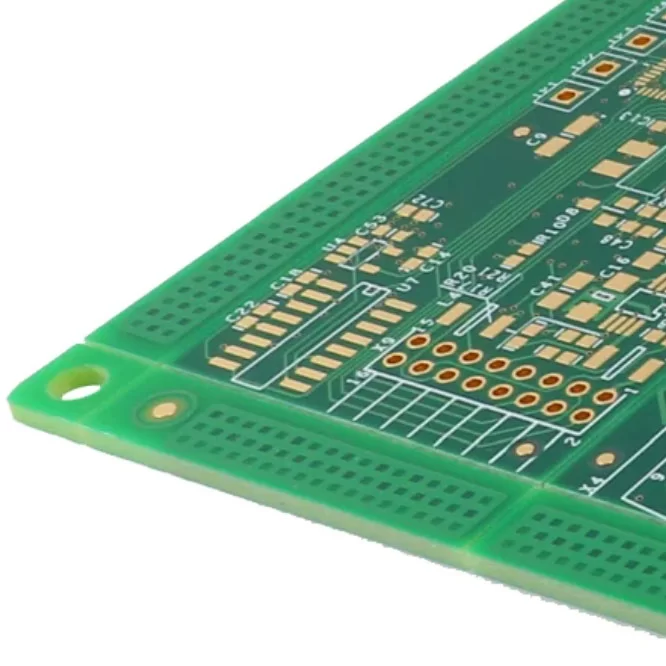
FR-4 stands out as one of the most versatile options. The composition of an FR-4 printed circuit board comprises a woven glass fabric reinforcement impregnated with a flame-retardant epoxy resin binder.
PCB type: Rigid PCB
Layer: Multi-layer
Base material: FR-4
Solder mask: Green
Silk screen: White
Surface treatment: HASL
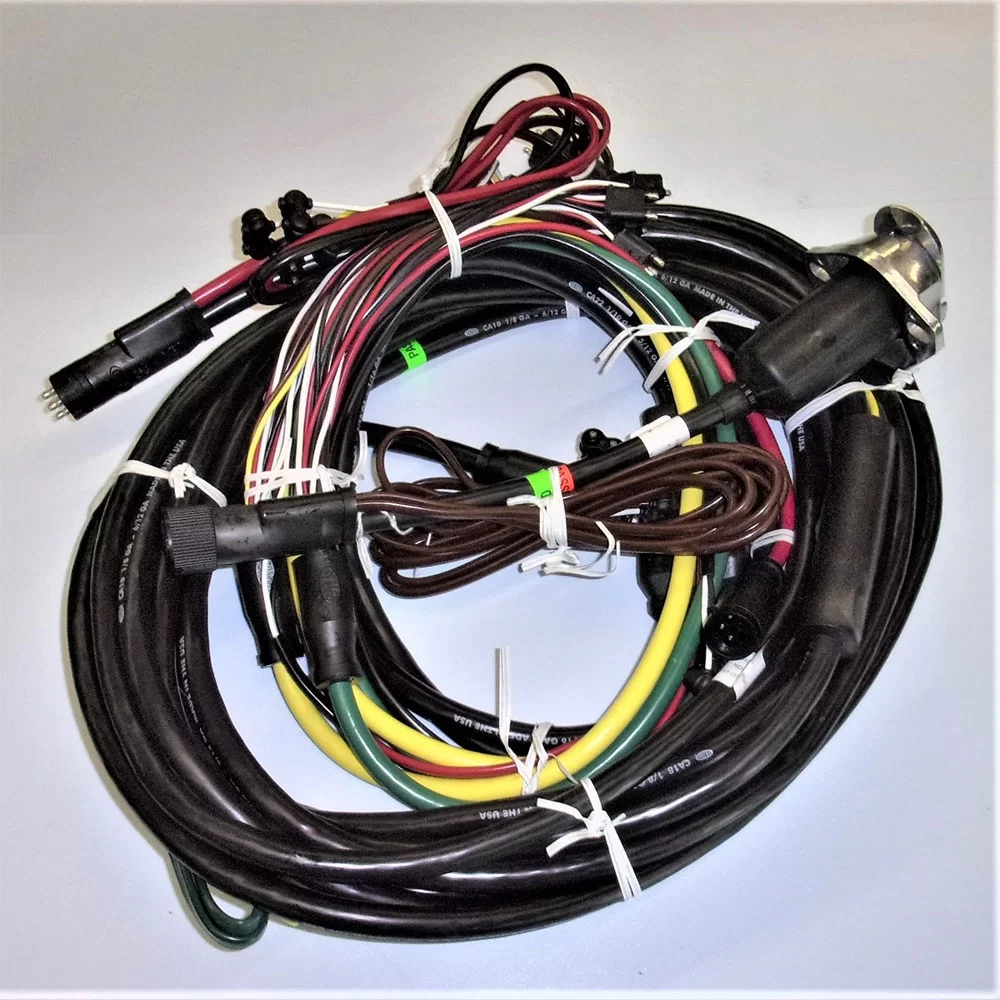
A truck wire harness is like the nervous system of a truck. It is a group of wires, connectors, and terminals that link all the electrical parts together.

Printed circuit boards are essential to modern electronic systems, providing the physical platform that connects and supports electronic components.

Printed circuit board manufacturing and assembly involve two closely related stages: preparing the bare board and installing the electronic components.

Flux is essential for achieving reliable solder joints, but the materials left behind after soldering may affect PCB performance if they are not managed correctly.


