
Automotive Lithium Battery PCBA
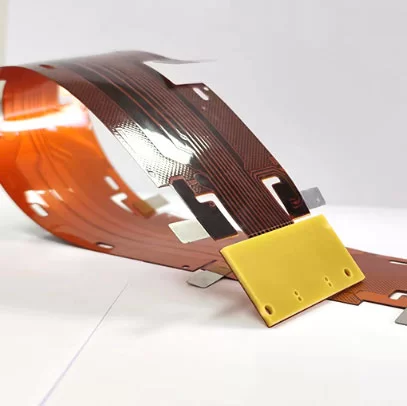
Automotive Lithium Battery PCBA (Rigid-Flex PCB for CCS Integrated Bus)
Welcome to our premier manufacturing solution for modern electric vehicles (EVs) and energy storage systems: the Automotive Lithium Battery PCBA. Specifically engineered to serve as the structural and electrical backbone for Cell Connection Systems (CCS) integrated busbars, this advanced printed circuit board assembly represents the cutting edge of battery management technology. By combining the rigid structural stability of traditional FR-4 boards with the dynamic flexibility of polyimide (PI) films, our rigid-flex PCBA delivers unrivaled reliability, space optimization, and safety for high-capacity automotive lithium-ion battery modules.
Product Technical Specifications
| PCB Type | Rigid-Flex PCB (Multi-layer hybrid construction) |
|---|---|
| Layer Count | Multi-layer (Customized configurations available) |
| Base Materials | FR-4 (Rigid sections) & PI / Polyimide (Flexible sections) |
| Solder Mask | Yellow (Rigid areas) with Yellow Coverlay (Flexible areas) |
| Silk Screen | White (High contrast for clear component identification) |
| Surface Treatment | ENIG (Electroless Nickel Immersion Gold) for superior solderability and corrosion resistance |
| Primary Applications | Automotive Lithium Battery CCS (Cell Connection System) Integrated Busbars, EV Power Batteries, Energy Storage Systems (ESS) |
Revolutionizing Battery Architecture: FPC vs. Traditional Wire Harnesses
In traditional electric vehicle power battery packs, voltage sampling and signal transmission relied heavily on bulky, manual wire harnesses. As battery capacities expand and vehicle architectures demand higher integration, conventional harnesses present critical bottlenecks including high assembly labor, complex routing, space inefficiency, and heightened thermal risks. Our Automotive Lithium Battery PCBA leverages advanced Flexible Printed Circuit (FPC) technology to completely replace traditional wiring harnesses, establishing a streamlined, automated, and fail-safe interconnection network.
Advanced Functions and Key Features
1. Exceptional Thermal Endurance and Stability
The substrate of our flexible sections utilizes high-grade polyimide (PI), allowing the PCBA to withstand extreme operating temperatures up to 260°C without degradation. In demanding automotive environments where thermal management is critical, this high tolerance ensures stable signal transmission and continuous operational integrity under peak discharge and fast-charging conditions.
2. Optimized Structural Safety and Minimal Short-Circuit Risk
Safety is paramount in high-voltage lithium battery packs. Our objective structural design drastically minimizes the possibility of short circuits. Unlike traditional loose wires that can fray, rub, or cross, printed circuit paths within our rigid-flex PCBA are securely enclosed and distributed in parallel within the substrate layers. In the rare event of an operational anomaly, the structural layout ensures that any potential fusing behavior occurs in a controlled manner, preventing catastrophic cascading short circuits and dramatically enhancing overall battery module reliability.
3. Cost Efficiency and Space Optimization
Space utilization inside a battery pack is tightly contested. The integration of FPC technology combined with advanced bonding processes allows for ultra-thin profile routing that hugs the contours of the battery cells. This low-profile design frees up valuable volumetric space within the module, which can be reallocated for additional energy storage capacity or enhanced cooling channels.
4. Automated Production and Superior Consistency
Manual wire harness assembly is labor-intensive and prone to human error. Our rigid-flex PCBA solution facilitates fully automated surface mount technology (SMT) assembly and automated optical inspection (AOI), guaranteeing exceptional batch-to-batch consistency, reduced manufacturing costs, and accelerated time-to-market for EV manufacturers.
Engineering Advantage: By transitioning from traditional wire harnesses to our FPC + bonding process for single-battery voltage sampling, automotive manufacturers achieve a triple advantage: drastically reduced production costs, maximized spatial efficiency, and seamless compatibility with high-speed automated mass production lines.
Target Applications & Industry Standards
Designed strictly in accordance with international automotive quality standards (including IATF 16949 compliance framework), this PCBA is widely deployed across:
Passenger Electric Vehicles (EVs) and Hybrid Electric Vehicles (HEVs)
Commercial Electric Buses and Logistics Fleets
High-Performance Energy Storage Systems (ESS) for renewable solar and wind power installations
Industrial backup power and Uninterruptible Power Supply (UPS) lithium battery packs
Partner with us today to integrate next-generation reliability into your battery management architecture. Custom design layouts, stack-up optimization, and prototyping services are fully available to meet your precise electrical and mechanical requirements.
If you have any camping barbeque equipment inquiry, please feel free to contact us.
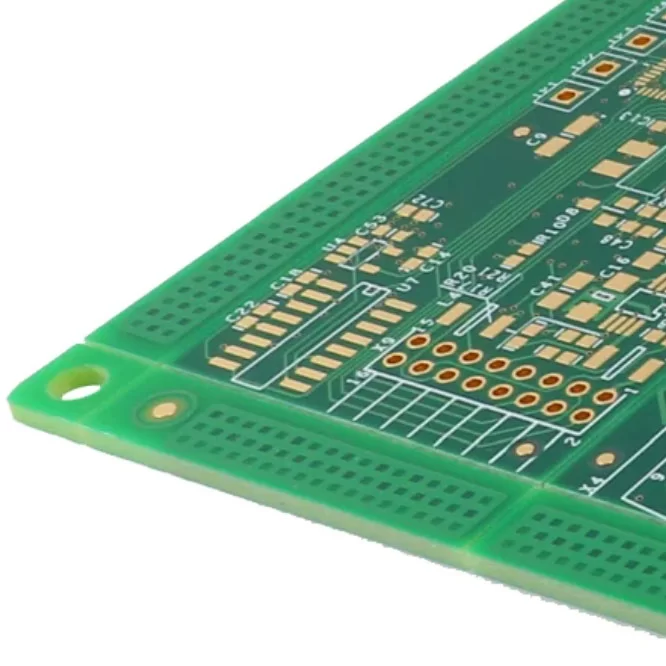
FR-4 stands out as one of the most versatile options. The composition of an FR-4 printed circuit board comprises a woven glass fabric reinforcement impregnated with a flame-retardant epoxy resin binder.

PCB type: Rigid PCB
Layer: Multi-layer
Base material: FR-4
Solder mask: Green
Silk screen: White
Surface treatment: HASL
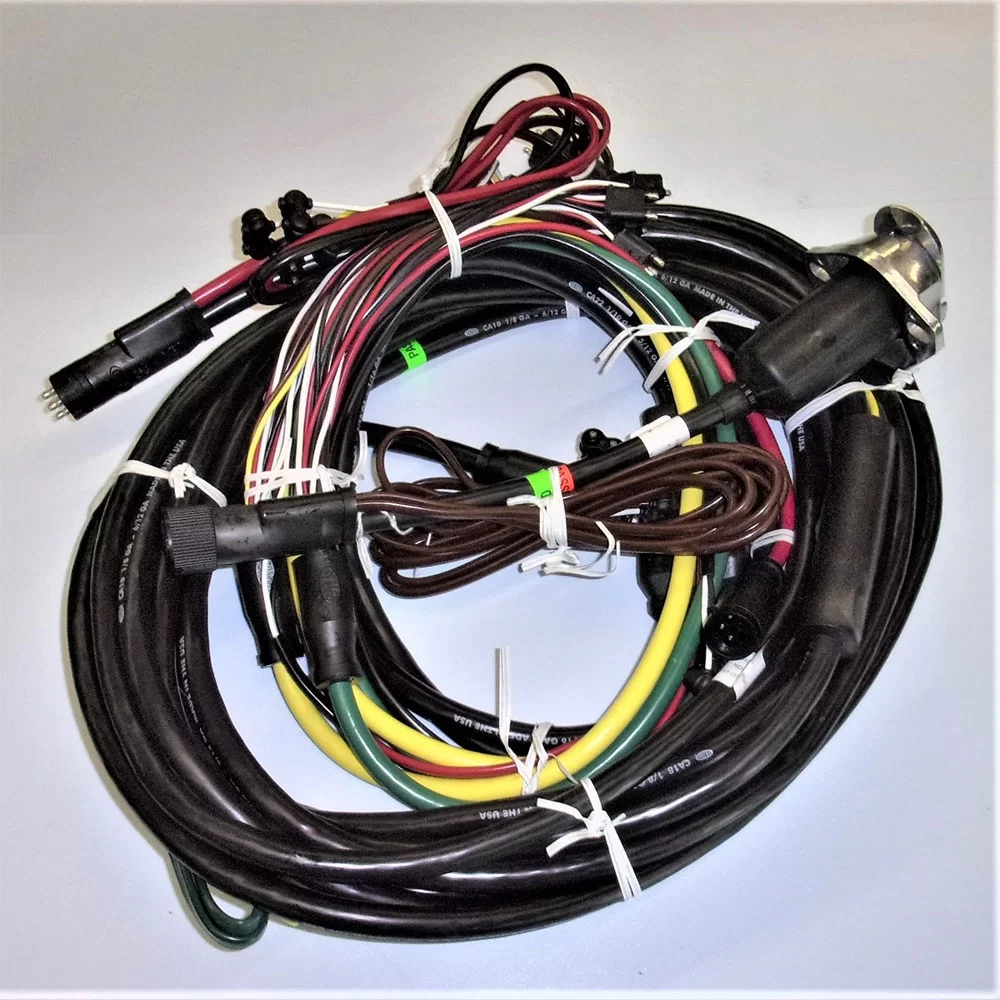
A truck wire harness is like the nervous system of a truck. It is a group of wires, connectors, and terminals that link all the electrical parts together.

Printed circuit boards are at the heart of countless electronic products, from consumer devices to industrial control systems. As modern electronics become smaller and more sophisticated, PCB layouts are becoming increasingly compact, with more components, interconnections, and functional circuits integrated into limited board space.

Modern electronic products continue to become smaller, faster, and more functionally integrated. To accommodate increasingly complex circuits, manufacturers place more components and conductive paths within limited PCB space.

A Printed Circuit Board (PCB) brings multiple electronic components together through carefully designed circuits and conductive traces. When the board is operating normally, each component performs its intended function and works together with the rest of the circuit. However, the failure of a single resistor, capacitor, diode, IC, connector, or other component can affect the performance of the entire system.


