

Printed circuit board (PCB) defects can interrupt electrical signals, affect system stability, and prevent electronic devices from operating as intended.

Printed circuit boards are essential to modern electronic systems, providing the physical platform that connects and supports electronic components.

Printed circuit board manufacturing and assembly involve two closely related stages: preparing the bare board and installing the electronic components.

Flux is essential for achieving reliable solder joints, but the materials left behind after soldering may affect PCB performance if they are not managed correctly.

Printed circuit boards (PCBs) are exposed to various contaminants throughout manufacturing, assembly, transportation, and storage. Dust, fingerprints, soldering residues, oils, and moisture can accumulate on the board surface and around electronic components. If these substances are not properly managed, they may interfere with electrical insulation, accelerate corrosion, or affect the stability of electronic devices.

Printed circuit boards are fundamental to modern electronic systems, providing the electrical connections and physical support required for components to function together. However, different applications place different demands on PCB materials, signal transmission, thermal performance, and manufacturing precision.

The continuous evolution of electronic technology has made it possible to develop increasingly compact, powerful, and intelligent devices.

As electronic devices become smaller, faster, and more sophisticated, printed circuit board (PCB) manufacturing continues to evolve.

Modern electronics rely on printed circuit boards (PCBs) to connect components, distribute power, and transmit electrical signals. From industrial control equipment and automotive electronics to wireless communication devices, PCBs must meet increasingly demanding requirements for reliability, compactness, and performance.

Soldering is a fundamental skill in electronics, supporting everything from assembling simple hobby circuits to manufacturing complex electronic systems. A printed circuit board (PCB) relies on properly formed solder joints to connect components to conductive pads, maintain electrical continuity, and withstand the mechanical and thermal demands of everyday operation.

Turning an electronic design into a reliable physical product requires careful planning before production begins.

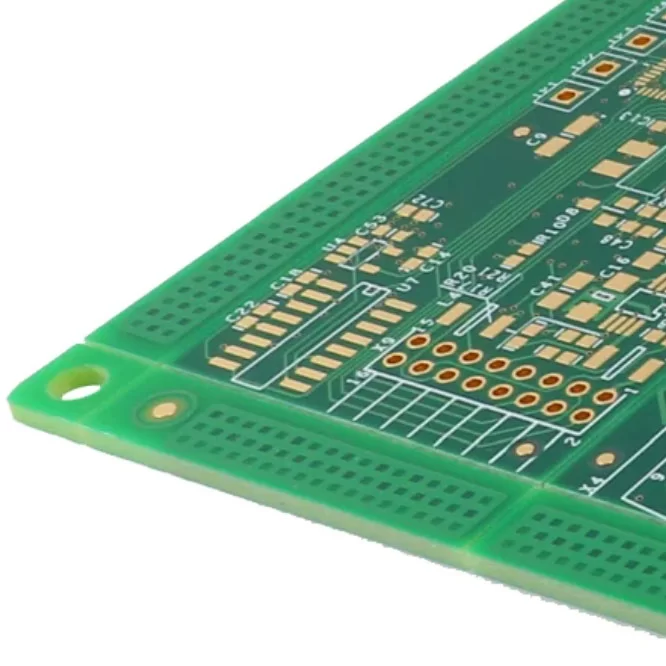
FR-4 stands out as one of the most versatile options. The composition of an FR-4 printed circuit board comprises a woven glass fabric reinforcement impregnated with a flame-retardant epoxy resin binder.

PCB type: Rigid PCB
Layer: Multi-layer
Base material: FR-4
Solder mask: Green
Silk screen: White
Surface treatment: HASL
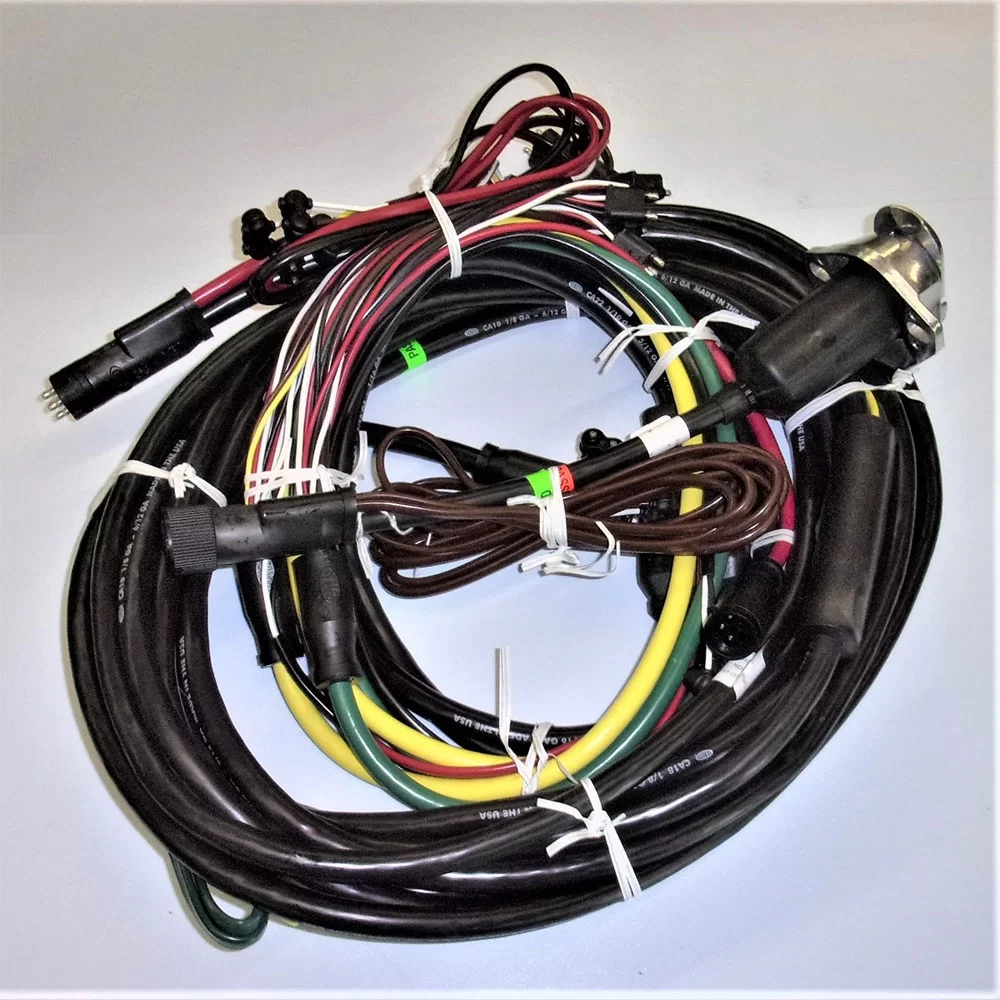
A truck wire harness is like the nervous system of a truck. It is a group of wires, connectors, and terminals that link all the electrical parts together.


