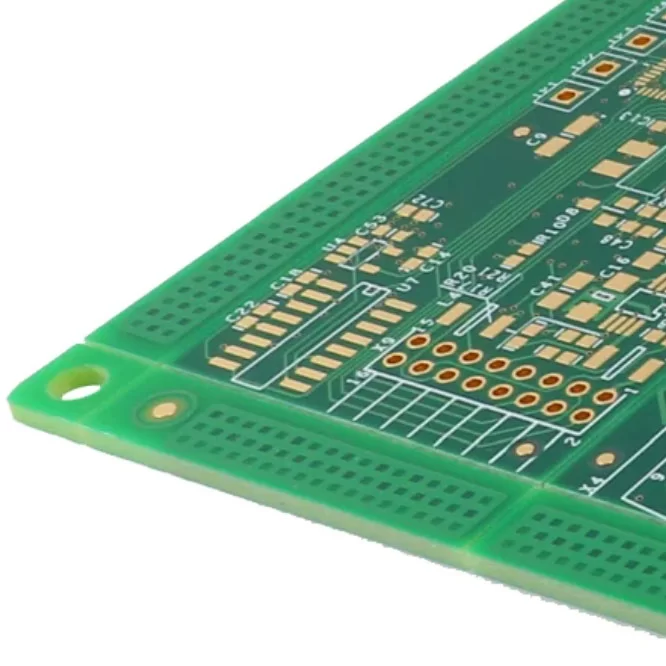
If you have ever looked inside a computer, industrial controller, smartphone, or other electronic device, you have probably noticed the familiar green circuit board. This raises a common question: why is PCB green? The answer is mainly related to the solder mask, a protective coating applied over most of the copper circuitry during PCB fabrication.
Green is not the only available solder mask color. PCB manufacturers can produce boards with black, blue, red, white, yellow, purple, and other custom-colored solder masks. However, green has remained the dominant choice because it offers a practical combination of manufacturing familiarity, inspection visibility, material availability, and cost.
The color itself does not determine the electrical function of a PCB. Instead, it is the properties of the solder mask underneath the pigment that provide protection to the board.

Why is PCB Green?
Although printed circuit boards can be manufactured in many colors, green remains the most recognizable and widely used option. The green appearance does not come from the copper traces, fiberglass substrate, or electrical components. It is produced by the pigment incorporated into the solder mask.
The popularity of green developed through a combination of manufacturing history, material availability, process stability, and inspection requirements.
The Green Color Comes from the PCB Solder Mask
A bare PCB typically consists of a substrate, copper layers, and other structural materials. Exposed copper can be affected by oxidation, contamination, and mechanical handling, so a protective solder mask is applied over most of the conductive surface.
Openings are intentionally created around solder pads, selected vias, test points, and other areas that need to remain accessible. The remaining protected surface takes on the color of the solder mask.
Green pigments have become widely adopted because green solder mask materials have been extensively developed and optimized for PCB production. As a result, manufacturers have accumulated considerable experience in processing this type of material.
Why Green Became the Industry Standard
The widespread use of green solder mask has created a mature manufacturing ecosystem around it. PCB fabrication equipment, inspection systems, process parameters, material supply chains, and quality-control procedures have all been extensively developed for green solder mask production.
This long history also provides manufacturers with well-established process windows and production experience. Since green materials are produced in large quantities, they are generally easy to source and can be incorporated efficiently into both prototype and high-volume manufacturing.
Green Improves Optical Inspection
PCB inspection often depends on cameras and human operators identifying differences between the solder mask, copper pads, solder joints, silkscreen, and components.
Green provides a useful visual background that makes many PCB features relatively easy to distinguish. This is beneficial for Automated Optical Inspection (AOI), manual inspection, assembly verification, and defect identification.
The contrast can help inspection systems identify problems such as misplaced components, solder bridges, damaged areas, and solder mask registration errors.
Green Offers Stable Manufacturing Performance
Green solder mask has been extensively optimized for coating, imaging, development, and curing processes. Manufacturers have established reliable production parameters for achieving consistent coverage and pattern definition.
This does not mean that every green solder mask automatically provides better performance than every other color. Rather, green benefits from decades of process development, extensive production experience, and broad material availability.
What is a PCB Solder Mask?
PCB solder mask is a protective polymer layer applied over selected areas of a printed circuit board. It is also commonly called solder resist. Its primary role is to protect the underlying copper and define the areas that should remain available for soldering.
Although its color is immediately noticeable, the functional properties of the solder mask are much more important than its appearance.
How a PCB Solder Mask Works
After the copper circuitry has been formed, the solder mask is applied across most of the PCB surface. Controlled openings are then created over areas such as component pads and other required connection points.
During PCB assembly, the mask helps prevent molten solder from spreading across neighboring conductive areas. By keeping solder confined to the intended pads, it reduces the possibility of solder bridges and unwanted electrical connections.
The solder mask also acts as a protective barrier between the copper and the surrounding environment.
Materials Used in PCB Solder Masks
Modern solder masks are generally based on polymer systems formulated to provide adhesion, electrical insulation, chemical resistance, and thermal stability. Photoimageable materials are widely used because they allow manufacturers to create accurate pad openings and fine patterns.
Liquid Photoimageable (LPI) solder mask is one of the most common technologies used in commercial PCB production. Dry film solder mask is another option and may be selected for particular board structures or manufacturing requirements.
The final characteristics depend on the material formulation, curing process, PCB substrate, and intended operating environment.
The PCB Solder Mask Application Process
Solder mask application involves several controlled manufacturing stages. The PCB surface is first cleaned and prepared to promote good adhesion. The mask is then deposited using an appropriate coating method.
After application, the board undergoes controlled drying before the desired pattern is transferred through photolithography or Laser Direct Imaging. Unwanted mask material is removed during development, leaving openings over the designated pads and features.
The remaining solder mask is then fully cured to achieve the required mechanical and chemical properties. Inspection is performed afterward to verify coverage, registration, surface quality, and pad openings.
Why the Solder Mask Matters
Despite being relatively thin, solder mask contributes significantly to PCB durability and assembly quality. It protects copper from environmental exposure, provides electrical insulation between conductive features, and helps control solder during component assembly.
For high-density PCBs, accurate solder mask registration is especially important because the distance between adjacent pads and traces can be very small.
Why Green is the Standard PCB Color
Green became the standard PCB color through a combination of technical practicality and manufacturing history. The electronics industry has spent decades developing materials and production processes around green solder mask, making it a dependable option for a broad range of PCB applications.
· Manufacturing Efficiency. Green solder mask has been extensively optimized for mass production. Fabricators have established stable processes for coating, imaging, developing, and curing the material, helping maintain consistent production results.
· Better Inspection Accuracy. The contrast between green solder mask and exposed copper, solder joints, silkscreen markings, and components can make PCB features easier to inspect. This is useful for both automated inspection equipment and manual quality checks.
· Reliable Optical Performance. The visual characteristics of green solder mask are well suited to common PCB inspection processes. Its surface typically provides a practical balance between visibility and reflection, allowing cameras and operators to distinguish important board features.
· Lower Manufacturing Costs. Because green solder mask is produced and used on a very large scale, manufacturers can benefit from established supply chains and bulk material availability. Production lines are also highly familiar with green materials, which can contribute to efficient processing and competitive manufacturing costs.
Different PCB Solder Mask Colors Explained
Green is the most common solder mask color, but it is far from the only available option. Manufacturers can produce PCBs in a wide range of colors depending on customer preferences, inspection requirements, product appearance, and application needs.
Green Solder Mask
Green remains the most widely selected option for general PCB production. It offers familiar manufacturing characteristics, good inspection visibility, broad material availability, and competitive pricing.
It is commonly found in consumer electronics, industrial equipment, communication products, automotive electronics, and many other applications.
Black Solder Mask
Black solder mask provides a distinctive appearance and is frequently selected when product aesthetics are important. It can give electronic assemblies a clean and premium appearance.
However, the darker surface can reduce visual contrast in certain inspection situations. Manufacturers may therefore need to optimize lighting and inspection parameters to identify fine defects effectively.
Blue Solder Mask
Blue solder mask is a popular alternative when manufacturers want a different visual identity without moving too far from conventional PCB manufacturing practices.
It can be found in development boards, control systems, educational products, evaluation hardware, and various commercial electronics where product differentiation is desirable.
Red Solder Mask
Red solder mask creates a highly recognizable appearance and is often used on evaluation boards, specialty electronics, development hardware, and products where visual identification is useful.
The choice is generally related to appearance or product differentiation rather than an inherent electrical advantage.
White Solder Mask
White solder mask has particular applications in LED and lighting products. Its reflective surface can help redirect light in certain lighting designs, making it useful for specific optical applications.
However, the bright surface can also make contamination, scratches, and certain surface imperfections more visible.
Other Colors
PCB manufacturers can also provide colors such as purple, yellow, orange, matte black, and custom shades. These options may be selected for branding, product identification, visual differentiation, or specialized design requirements.
The color generally changes the visual appearance of the solder mask rather than fundamentally changing the electrical function of the PCB.
Green PCB vs Black PCB vs Blue PCB
Green, black, and blue are three commonly encountered PCB solder mask colors. They provide the same basic protective function, but their visual characteristics and manufacturing considerations can differ.
1. Green PCB
Green PCBs remain widely used for high-volume electronics because the manufacturing process is mature and inspection visibility is generally favorable. The combination of established production methods, material availability, and cost makes green suitable for a broad range of products.
2. Black PCB
Black PCBs are often selected when the visual appearance of the finished product is important. They can provide a modern appearance for consumer electronics, computing hardware, gaming equipment, and other products.
The darker surface may require more carefully controlled lighting and inspection settings because some defects can be less visually obvious.
3. Blue PCB
Blue PCBs offer a distinctive appearance while remaining practical for many electronics applications. They are commonly seen in development hardware, evaluation boards, robotics, educational products, and other projects where visual differentiation is useful.
Which Color Should You Choose?
For most standard PCB projects, green solder mask provides a practical combination of manufacturing familiarity, inspection visibility, availability, and cost.
Black may be considered when product appearance is a major design consideration, while blue can provide a distinctive appearance for development products and commercial electronics.
The choice should ultimately be based on the project's manufacturing requirements, inspection process, appearance, budget, and application environment rather than assuming that one color provides universally superior electrical performance.
Advantages of Green Solder Mask
The continued popularity of green solder mask is supported by several practical manufacturing advantages. Its widespread use has allowed PCB manufacturers to refine the associated processes and establish reliable production standards.
· Improved Manufacturing Consistency. Green solder mask has been used extensively in PCB production, giving manufacturers substantial experience in controlling coating thickness, exposure, development, and curing. This mature process knowledge can contribute to consistent production quality.
· Easier Quality Inspection. The familiar green background provides useful contrast between the solder mask, exposed copper, solder joints, and silkscreen. This can make both automated and manual inspection more straightforward.
· Better Protection for Copper Traces. The primary function of solder mask is to protect covered copper from environmental exposure. A properly processed solder mask can help reduce the effects of moisture, oxidation, dust, and other contaminants.
· Cost-Effective Production. Green solder mask benefits from large-scale material production and established supply chains. Manufacturers also have extensive experience processing it, which can make green a cost-efficient choice for both prototypes and larger production runs.
· Long-Term Reliability. A properly selected and cured solder mask can provide electrical insulation and environmental protection throughout the intended operating life of the PCB. Its suitability for a particular product should still be evaluated according to temperature, humidity, chemicals, mechanical stress, and other application conditions.
Can PCBs Be Other Colors?
Yes. Modern PCB manufacturing supports a wide variety of solder mask colors. The selected color is generally determined by product appearance, branding, inspection requirements, optical characteristics, or application-specific considerations.
Consumer Electronics
Black and other dark-colored PCBs are sometimes used in consumer electronics where the internal appearance of the product contributes to its overall design. Gaming hardware, computer components, audio equipment, and premium electronics may use alternative solder mask colors for visual differentiation.
LED Lighting Systems
White solder mask can be useful in some LED lighting applications because its reflective surface can interact favorably with the optical design. It may help redirect light within certain lighting assemblies and is therefore commonly associated with LED boards.
Educational and Development Boards
Blue, red, purple, and other colors can be used on evaluation boards, robotics platforms, development kits, and educational electronics. Distinctive colors can make different boards easier to identify and can also provide a recognizable product appearance.
Does PCB Color Affect Performance?
For most conventional applications, the color of the solder mask has little direct influence on the fundamental electrical performance of a PCB. Factors such as copper thickness, trace geometry, dielectric properties, stack-up, component selection, surface finish, and thermal design have a much greater impact.
However, solder mask color can influence manufacturing and inspection conditions. Optical properties such as reflectivity and contrast may affect how cameras and operators inspect the board. Therefore, color can have an indirect effect on production processes even though it does not normally determine circuit functionality.
Conclusion
So, why is PCB green? The familiar green appearance mainly comes from the solder mask rather than the copper or fiberglass substrate. Green became the industry standard because it combines decades of manufacturing experience with practical inspection characteristics, broad material availability, and competitive production costs.
Other solder mask colors, including black, blue, red, white, purple, and custom options, are also available. These colors can serve aesthetic, branding, optical, or identification purposes, but the pigment itself generally does not determine the fundamental electrical performance of the PCB.
For most applications, selecting a solder mask should involve more than choosing a color. Material compatibility, coating quality, registration accuracy, curing conditions, operating environment, inspection requirements, and manufacturing capabilities should all be considered.