
RF Power Amplifier PCB
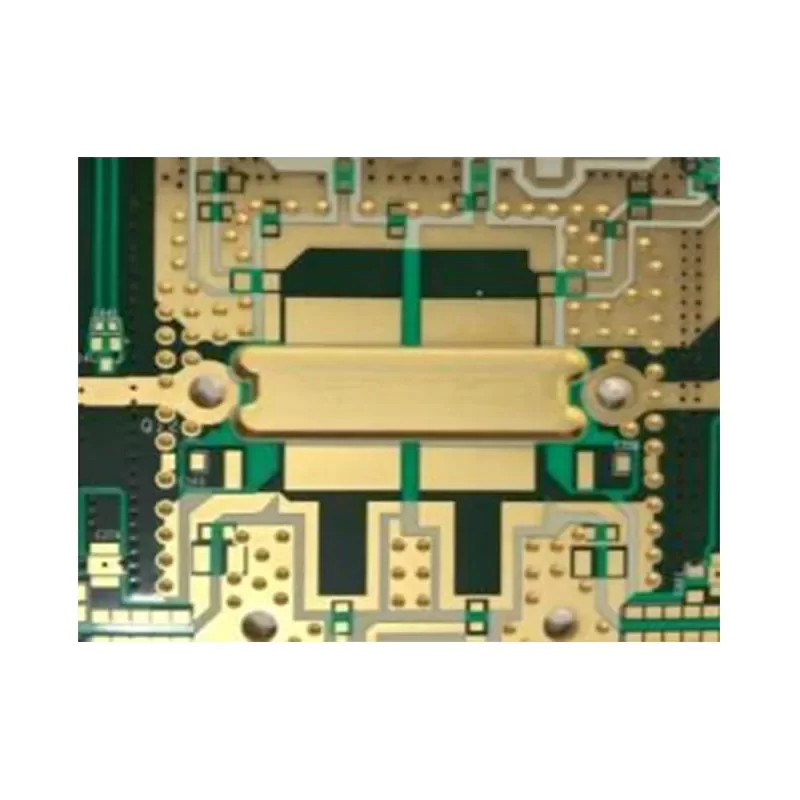


Advanced RF Power Amplifier PCB Solutions for High-Performance Electronic Systems
In modern wireless communication, broadcasting, aerospace, and high-end industrial systems, maintaining signal integrity while boosting output power is critical. An RF Power Amplifier PCB (Radio Frequency Power Amplifier Printed Circuit Board) is a specialized, high-performance circuit board engineered to elevate low-level radio frequency electrical signals to significantly higher power levels. Unlike standard commercial PCBs, RF power amplifier boards are meticulously designed to handle large currents, high voltages, and high-frequency alternating currents simultaneously, ensuring minimal signal attenuation, optimal thermal management, and maximum power transfer efficiency.
What Is an RF Power Amplifier PCB?
At its core, a Power Amplifier PCB serves as the backbone of transmitter stages in RF systems. It takes a modulated low-power RF signal and amplifies it to drive an antenna or subsequent high-power stages. Because high-frequency signals at high power levels are extremely sensitive to parasitic inductance, capacitance, and impedance mismatches, the design and fabrication of an RF power amplifier board require strict adherence to high-frequency engineering principles.
Standard FR4 materials often fail to meet the stringent dielectric constant (Dk) and dissipation factor (Df) requirements of high-frequency power amplification. Consequently, these circuit boards typically incorporate advanced high-frequency substrates such as specialized Rogers laminates, PTFE (Polytetrafluoroethylene) composites, or high-thermal-conductivity ceramic-filled materials. These advanced substrates stabilize impedance control, reduce insertion losses, and maintain signal fidelity across ultra-wide bandwidths.
Key Technical Advantages & Manufacturing Characteristics
Precise Controlled Impedance: Maintaining a strict characteristic impedance (typically 50 ohms or 75 ohms) is vital to prevent signal reflections that can damage power transistors or reduce system efficiency.
Superior Thermal Management: High-power amplification generates significant localized heat. Our RF power amplifier PCBs utilize heavy copper planes, thermal vias arrays, and metal-backed (aluminum or copper base) configurations to dissipate heat rapidly and protect active components.
Low Dielectric Loss: Utilizing low-loss substrate materials minimizes power dissipation within the board itself, maximizing overall RF output efficiency.
Excellent Electromagnetic Interference (EMI) Shielding: Proper grounding strategies, multi-layer shielding structures, and grounded coplanar waveguide (GCPW) designs are integrated to suppress crosstalk and unwanted radiation.
Detailed Application Scenarios
Due to their capability to handle demanding high-frequency and high-power conditions, RF power amplifier PCBs are deployed across a diverse range of critical industries:
1. Audio Equipment
In professional audio engineering, high-power amplification stages rely on specialized PCBs to drive large speaker arrays, public address systems, and studio broadcast amplifiers. These boards ensure crystal-clear audio output with minimal harmonic distortion, maintaining high fidelity even under peak load conditions.
2. Telecommunications
The telecommunications sector is one of the largest consumers of RF power amplifier circuit boards. They are vital components in cellular base stations (4G LTE and 5G NR), satellite communication transceivers, microwave relay links, and wireless infrastructure equipment. They ensure long-range signal transmission, robust network coverage, and stable data throughput under high traffic loads.
3. Automotive Electronics
Modern vehicles increasingly rely on wireless connectivity and sensor networks. RF power amplifier PCBs are heavily utilized in automotive applications, including advanced car audio systems, vehicle-to-everything (V2X) communication modules, collision avoidance radar, and long-range telemetry tracking systems. These boards are engineered to withstand harsh automotive operating environments, including extreme temperature variations, mechanical vibrations, and moisture exposure.
4. Industrial Applications
In industrial settings, high-power RF signals are required for specialized machinery and processes. Our PCBs power industrial control systems, precision electronic test instrumentation, plasma generators, induction heating systems, and industrial radar equipment. These systems demand rugged reliability, continuous duty-cycle performance, and resistance to electrical noise interference.
Why Choose Our RF Power Amplifier PCBs?
Manufacturing RF power amplifier boards demands advanced technical capabilities, precision etching, strict layer registration, and rigorous testing protocols (such as VNA network analyzer testing). We combine cutting-edge substrate selection, automated optical inspection (AOI), and stringent quality control standards to deliver robust, high-efficiency PCB solutions tailored to your exact specifications. Contact our engineering team today to optimize your next high-power RF project.


If you have any camping barbeque equipment inquiry, please feel free to contact us.
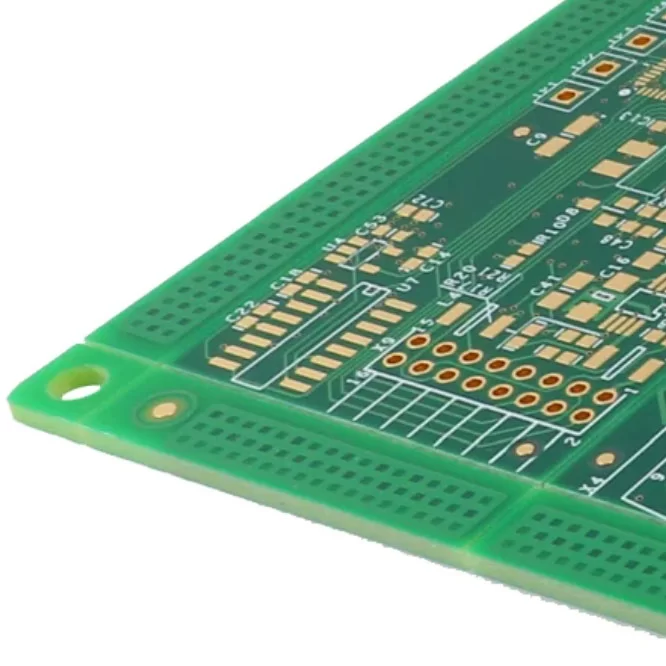
FR-4 stands out as one of the most versatile options. The composition of an FR-4 printed circuit board comprises a woven glass fabric reinforcement impregnated with a flame-retardant epoxy resin binder.

PCB type: Rigid PCB
Layer: Multi-layer
Base material: FR-4
Solder mask: Green
Silk screen: White
Surface treatment: HASL
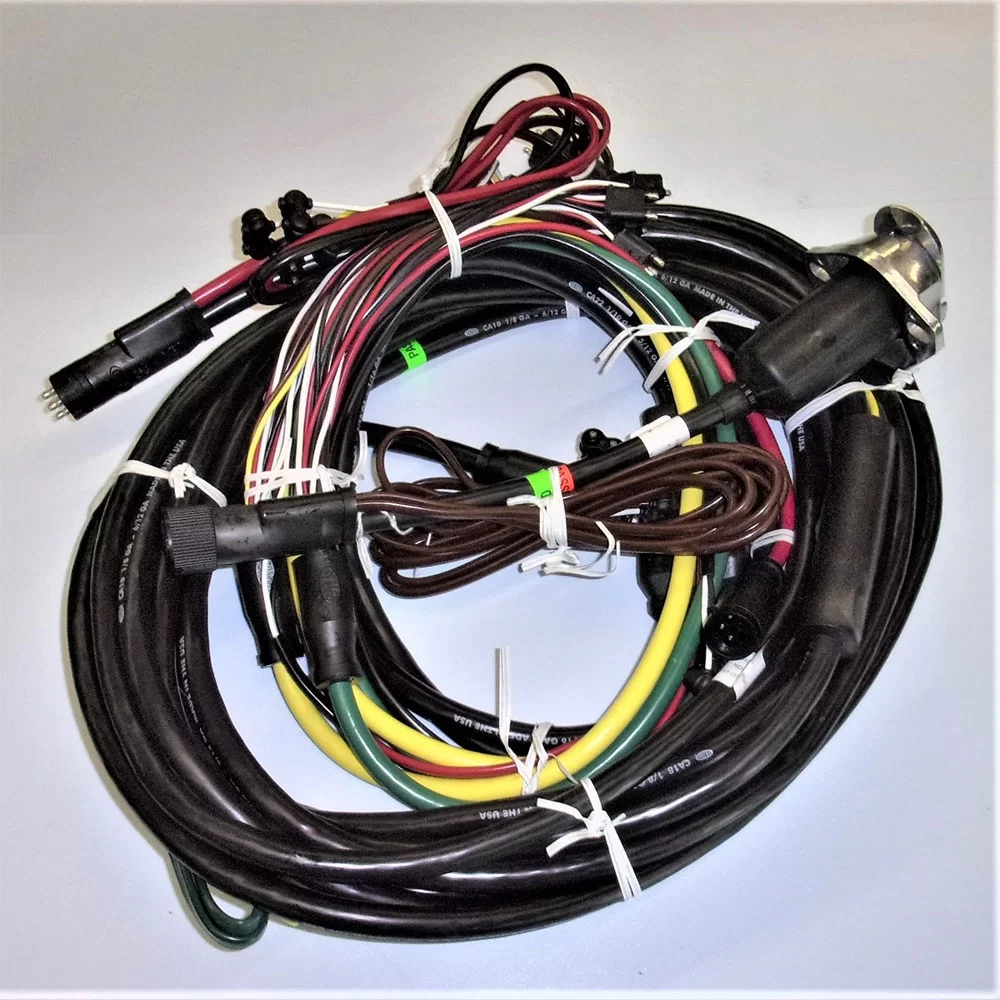
A truck wire harness is like the nervous system of a truck. It is a group of wires, connectors, and terminals that link all the electrical parts together.

Printed circuit board (PCB) defects can interrupt electrical signals, affect system stability, and prevent electronic devices from operating as intended.

Printed circuit boards are essential to modern electronic systems, providing the physical platform that connects and supports electronic components.

Printed circuit board manufacturing and assembly involve two closely related stages: preparing the bare board and installing the electronic components.


