
RF/Microwave PCBs


Data Sheet
Moduel: RF/Microwave PCBs
Materials: Telfon, PTFE, ceramic, Rogers
Quality standard: IPC-6012 Class 2
PCB DK: 2.0-1.6
Layer: 1 layer pcb - 36 layers pcb
Thickness: 0.254mm-12mm
Ground technology: Silver, Gold, OSP
- Special process: Mixed materials, Stepped grooves
- Application: Antenna
Benefits
High signal integrity: Microwave PCB boards have one of the highest efficiencies in terms of power. Its power required to transmit the signals is low, attenuation is minimal, which can greatly improves signal integrity as well as power management of the PCB.
High-speed data processing: Handling high speed data is one of the USPs of Microwave and RF PCBs. Such as Wi-Fi and 5G which operate at 2.4 GHz to 6 GHz (low band 5G). Higher speeds of 50 GHz and above can only be maintained in specialised PCBs like Microwave PCBs. The ability of Microwave PCBs makes them suitable for high speed communication.
- Good thermal management: The material of RF and Microwave PCBs used are of high standards and have a higher amount of copper in the body for better management of heat generated by the components on the PCB. It also eliminate noise generated by heat such as Jhonson Nyquist noise which reduces the signal integrity.
Applications
High frequency signals, transmitting or receiving wireless signals and high signal integrity are involved Radar.
Navigation: GNSS or Global Navigation Satellite System like GPS, BDS and GLONASS
Telecommunication: Telecommunication standards like 5G, Wi-Fi, Bluetooth, and NFC
Automation Devices
RF/Microwave PCB material
Rogers RO4350B/RO3003/RO4003/RO3006/RT/Duroid 5880/RT5870 and etc.
Arlon/Isola/Taconic/PTFE F4BM/Teflon material also shouldn't be forgotten.


If you have any camping barbeque equipment inquiry, please feel free to contact us.
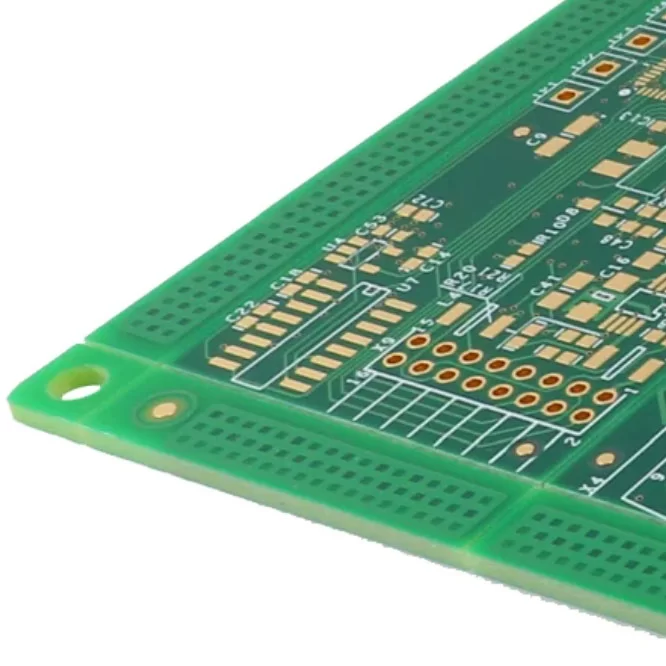
FR-4 stands out as one of the most versatile options. The composition of an FR-4 printed circuit board comprises a woven glass fabric reinforcement impregnated with a flame-retardant epoxy resin binder.

PCB type: Rigid PCB
Layer: Multi-layer
Base material: FR-4
Solder mask: Green
Silk screen: White
Surface treatment: HASL
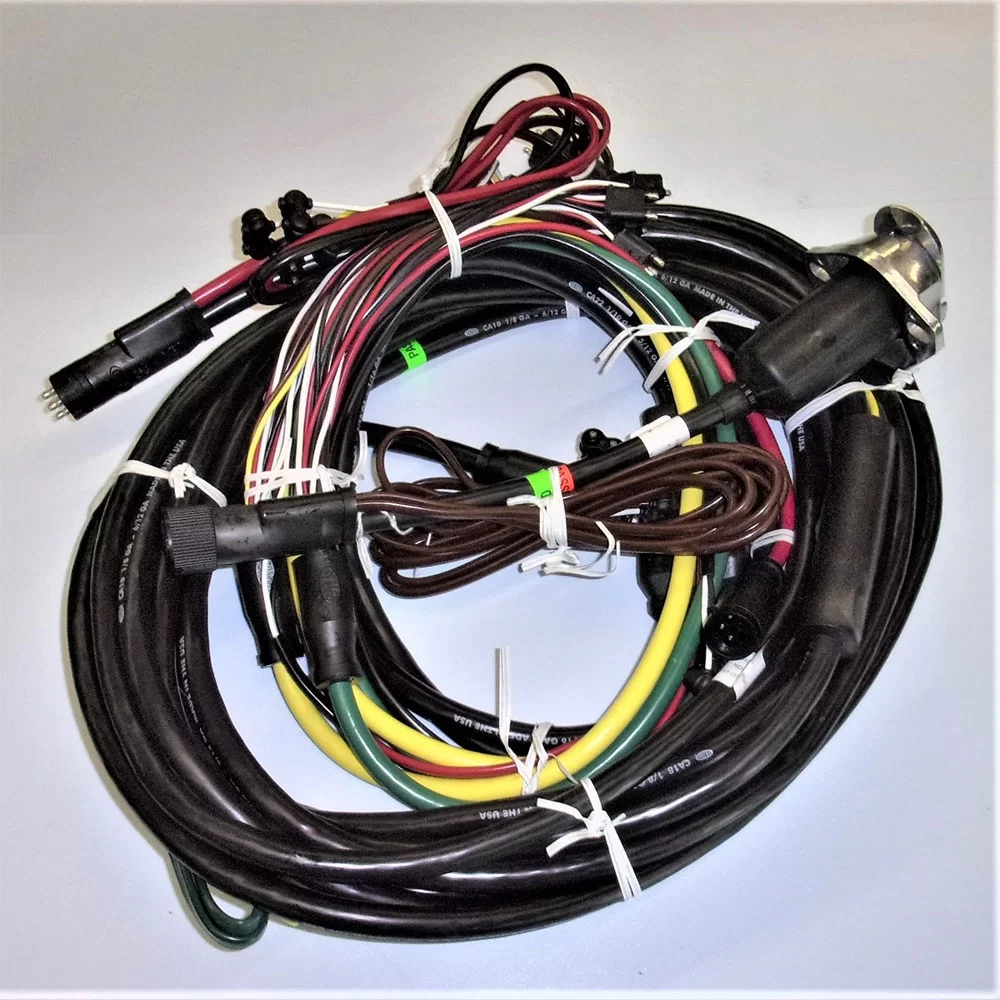
A truck wire harness is like the nervous system of a truck. It is a group of wires, connectors, and terminals that link all the electrical parts together.

Printed circuit boards are at the heart of countless electronic products, from consumer devices to industrial control systems. As modern electronics become smaller and more sophisticated, PCB layouts are becoming increasingly compact, with more components, interconnections, and functional circuits integrated into limited board space.

Modern electronic products continue to become smaller, faster, and more functionally integrated. To accommodate increasingly complex circuits, manufacturers place more components and conductive paths within limited PCB space.

A Printed Circuit Board (PCB) brings multiple electronic components together through carefully designed circuits and conductive traces. When the board is operating normally, each component performs its intended function and works together with the rest of the circuit. However, the failure of a single resistor, capacitor, diode, IC, connector, or other component can affect the performance of the entire system.


