
BGA IC Substrate Board
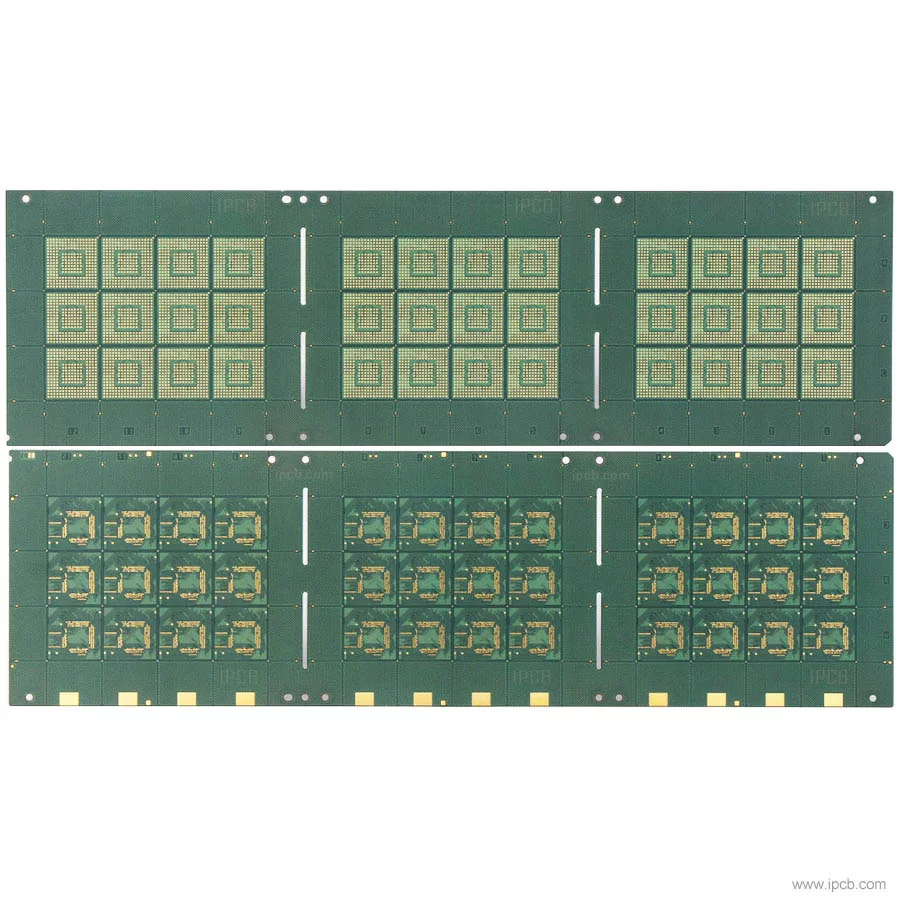


BGA stands for Ball Grid Array and they use solder balls arranged in the form of an array to make an electrical connection. This type of IC substrate is specially designed to handle thermal dissipation. They are used in applications where better thermal performance and higher densities of pins are required.
Advantages of BGA IC Substrates
The multilayer structure enables high-density interconnects, supporting complex ICs and BGAs with large pin counts.
The multiple layers provide controlled impedance and reduce signal interference, ensuring reliable performance in high-speed applications.
- The substrate design facilitates efficient heat dissipation, preventing overheating and ensuring reliable operation.
- The additional layers enable complex routing of signal traces, accommodating complex circuit designs and high-density components.
- The robust multilayer structure provides durability and stability, enhancing the reliability of electronic assemblies.
Applications of BGA IC Substrates
BGA IC substrates are essential for high-speed computing applications, including servers, data centers, and advanced processors, where high-density interconnects and efficient thermal management are crucial.
In telecommunications equipment, BGA IC substrates support complex RF and microwave circuits, enabling high-speed data transmission and reliable performance.
- Advanced consumer electronics such as smartphones, tablets, and gaming consoles use BGA IC substrates to accommodate high-density components and ensure optimal performance.
- In the automotive industry, these substrates are used in advanced driver assistance systems (ADAS), infotainment systems, and other high-performance electronic systems.
- BGA IC substrates are used in medical devices that require high-speed processing and reliable performance, such as diagnostic imaging systems and advanced monitoring equipment.
Characteristics of BGA IC Substrates
Enables high-density interconnects, supporting complex integrated circuits and BGAs with numerous pins.
- Provides controlled impedance and reduces signal interference, which is critical for maintaining signal integrity in high-speed applications.
- Can incorporate thermal vias and heat sinks to effectively dissipate heat and ensure reliable component operation.
- Additional layers allow for more complex signal trace routing, accommodating complex circuit designs and high-density components.


If you have any camping barbeque equipment inquiry, please feel free to contact us.
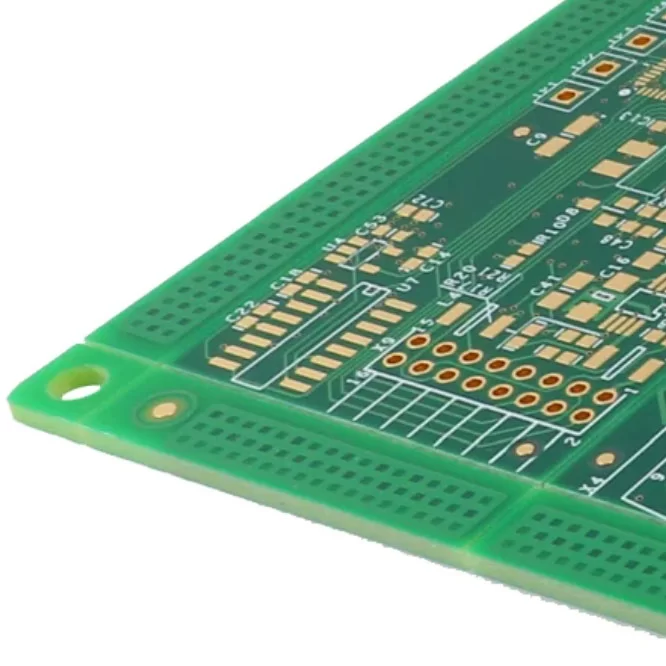
FR-4 stands out as one of the most versatile options. The composition of an FR-4 printed circuit board comprises a woven glass fabric reinforcement impregnated with a flame-retardant epoxy resin binder.

PCB type: Rigid PCB
Layer: Multi-layer
Base material: FR-4
Solder mask: Green
Silk screen: White
Surface treatment: HASL
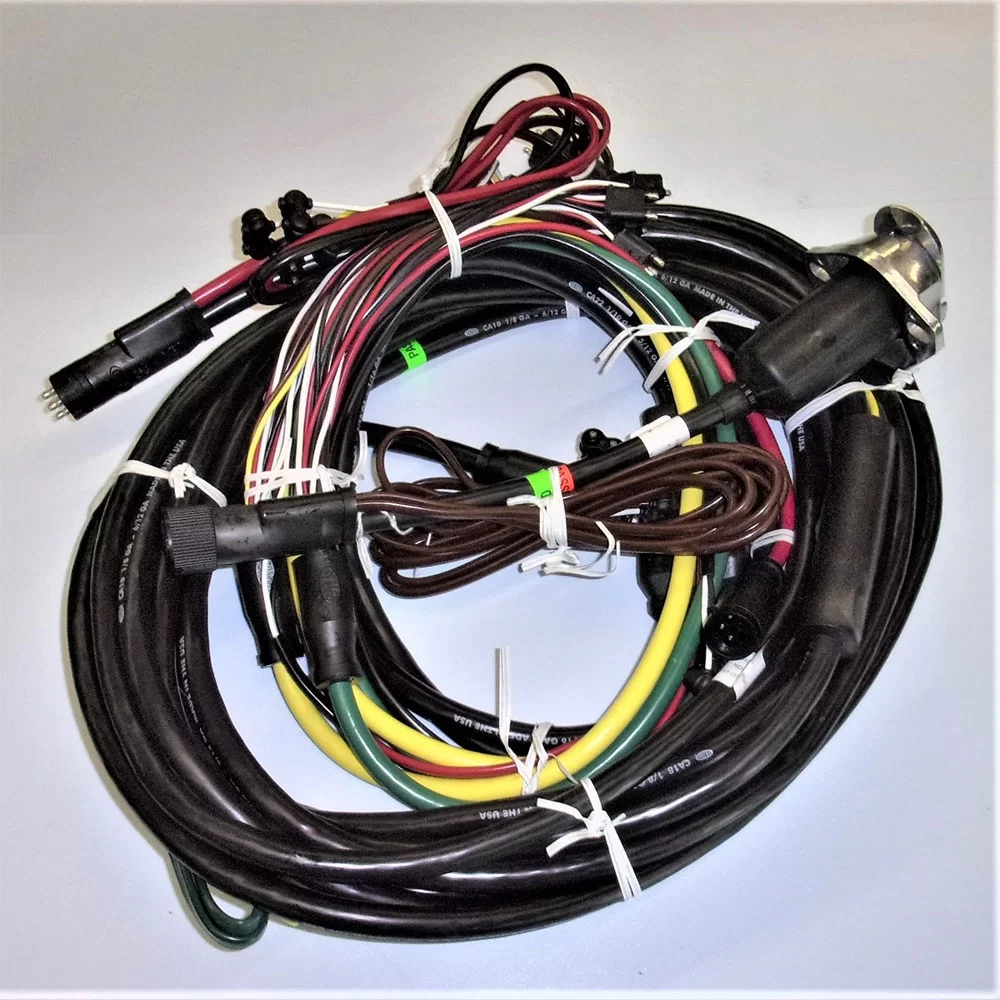
A truck wire harness is like the nervous system of a truck. It is a group of wires, connectors, and terminals that link all the electrical parts together.

Printed circuit boards are at the heart of countless electronic products, from consumer devices to industrial control systems. As modern electronics become smaller and more sophisticated, PCB layouts are becoming increasingly compact, with more components, interconnections, and functional circuits integrated into limited board space.

Modern electronic products continue to become smaller, faster, and more functionally integrated. To accommodate increasingly complex circuits, manufacturers place more components and conductive paths within limited PCB space.

A Printed Circuit Board (PCB) brings multiple electronic components together through carefully designed circuits and conductive traces. When the board is operating normally, each component performs its intended function and works together with the rest of the circuit. However, the failure of a single resistor, capacitor, diode, IC, connector, or other component can affect the performance of the entire system.


