
Navigating the Complexities of Custom Electronic, Industrial & Bespoke Cable Fabrication
Modern engineering projects face a critical bottleneck: finding reliable, high-performance interconnectivity solutions that can adapt to rapid iteration cycles. Whether you are developing advanced medical devices, resilient automotive electronics, or robust telecommunications networks, off-the-shelf wiring rarely meets the stringent safety and dimensional constraints required. The challenge lies in securing a partner capable of handling high-mix, low-to-medium volume demands without sacrificing quality or extending lead times.
This is where precision engineering bridges the gap. By integrating highly specialized manufacturing protocols, HUB Circuits transforms complex interconnection challenges into streamlined realities. Operating from our advanced facility in Shenzhen's Xing Nan Industrial Park, we deliver a one-stop service from rapid prototyping to full-scale assembly. Backed by strict ISO 9001 and UL recognitions, our solutions ensure that every custom component seamlessly integrates into your broader system architecture, empowering your engineers to focus on innovation rather than troubleshooting connection failures.
Engineering Standards for Custom Electronic, Industrial & Bespoke Cable Fabrication
Reliability in demanding environments—such as industrial control and high-frequency telecommunications—requires uncompromising technical standards. Our manufacturing processes are calibrated to support intricate assemblies, ensuring signal integrity, durability, and absolute compliance with international safety benchmarks.
| Performance Metric | Industry Significance | Our Engineering Standard | Advantage |
|---|---|---|---|
| High-Density Interconnection (HDI) Integration | Critical for compacting electronics in medical and automotive spaces. | Advanced fabrication supporting 1-32 layer complexity with fine line width/spacing. | Enables miniaturization without compromising power delivery or data speed. |
| Quality & Safety Compliance | Prevents catastrophic failures in mission-critical applications. | Strict ISO 9001 certification and UL recognized safety management. | Guarantees global regulatory compliance and long-term operational stability. |
| Flexibility & Material Versatility | Required for dynamic mechanical environments and thermal management. | Expertise in Flexible PCBs, Rigid-Flex, and Aluminum base boards. | Superior heat dissipation and dynamic bending endurance for complex layouts. |
| Production Scalability | Accelerates time-to-market for new product introductions (NPI). | Optimized for rapid prototyping and high-mix, low-to-medium volume output. | Reduces inventory overhead while maintaining agile responsiveness to market shifts. |
Maximizing ROI with Custom Electronic, Industrial & Bespoke Cable Fabrication
Strategic procurement is no longer just about reducing upfront piece-part costs; it is about driving long-term value through total cost of ownership (TCO) optimization. When dealing with specialized electronic components, partnering with a one-stop fabricator eliminates the friction of managing multiple vendors, directly reducing logistical overhead and minimizing the risk of multi-stage assembly errors.
By leveraging our specialized capabilities in rapid turnaround times and high-mix production, global clients across telecommunications, medical, and industrial sectors can drastically shorten their product development lifecycles. Faster prototyping translates to earlier market entry, while our ISO 9001 certified quality mitigates expensive downstream warranty claims and system downtimes. The data speaks for itself: localized, agile manufacturing fundamentally improves overall financial returns.
Related products


Top Selling Products


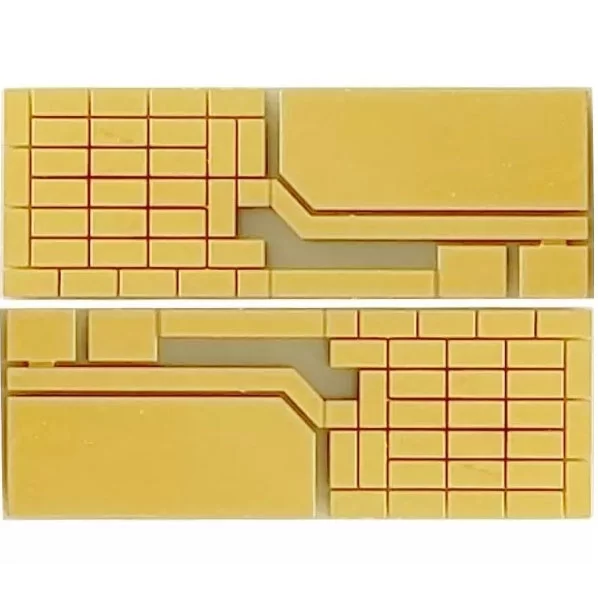

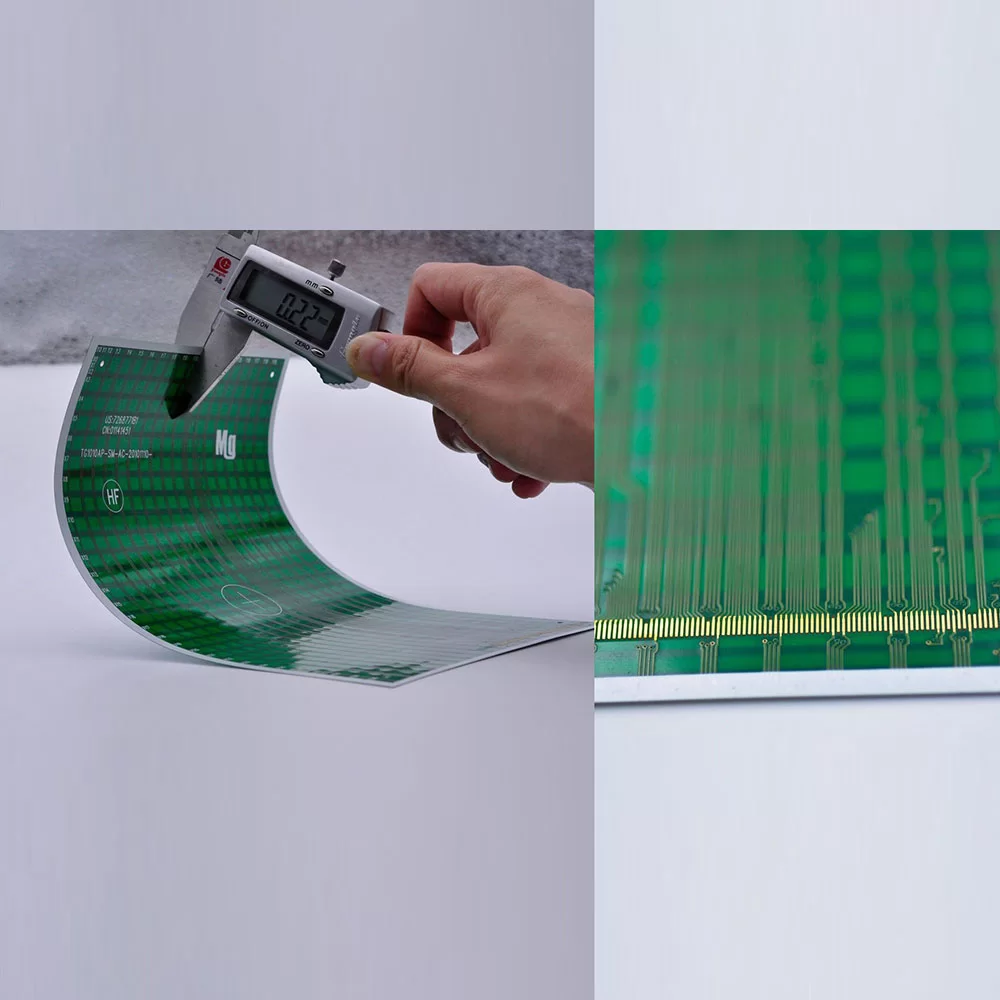
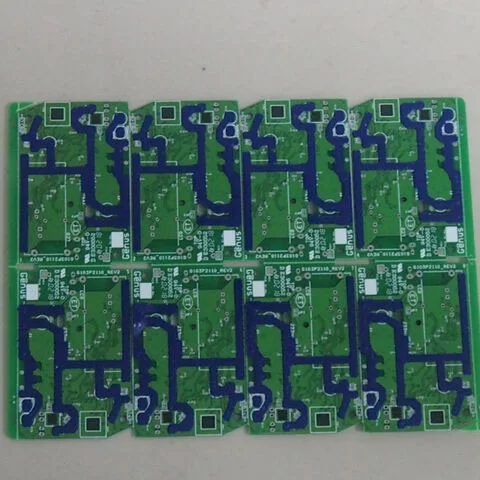

PCB Via Filling: Enhancing Reliability and Performance
The continuous development of electronic devices has created a growing demand for compact, high-performance circuit boards. From advanced computing systems to industrial control equipment, modern electronics increasingly rely on printed circuit boards (PCBs) with higher component densities, more complex routing structures, and stricter reliability requirements.

How to Solder Wire to PCB Board Correctly
Wire soldering is an essential skill in electronics development, circuit board repair, and electronic product manufacturing. A properly soldered connection helps maintain stable electrical performance while preventing wires from loosening during handling, installation, or equipment operation.

How to Repair PCB Board: Troubleshooting & Fixes
Printed circuit board (PCB) defects can interrupt electrical signals, affect system stability, and prevent electronic devices from operating as intended.

How to Design a PCB: A Complete Guide
Printed circuit boards are essential to modern electronic systems, providing the physical platform that connects and supports electronic components.


