
Power Bank Attachments & Power Bank Assemble | Cheap Price


Custom Power Bank Assembly & Attachments
Cost-Effective OEM/ODM Solutions for Global Brands
✅ 28 years of PCB & EMS expertise · ✅ Full turnkey from BMS to box build · ✅ Save up to 30% on total landed cost
🔋 Struggling with high prices, inconsistent quality, or complex logistics? Let us handle the entire power bank assembly—from PCBA and plastic enclosures to final packaging—while you focus on your brand.
⭐ 4.9/5 from 120+ B2B clients 🌍 Global shipping · CE, FCC, RoHS, UN38.3
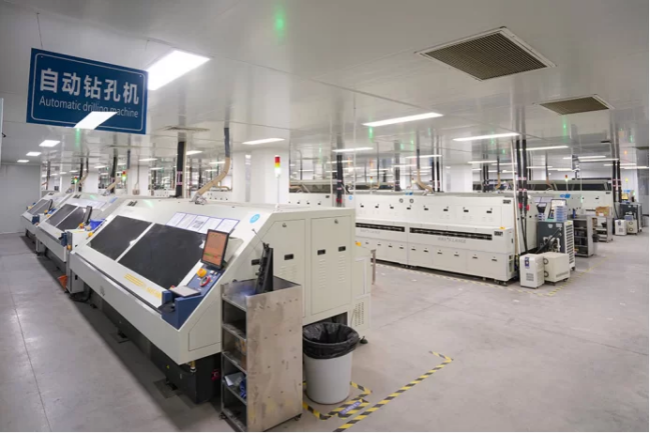
🏭 ISO 9001 certified SMT & assembly facility
⚡ The Real Cost of Cheap Power Bank Sourcing
Many buyers are drawn to low unit prices, only to face hidden expenses that erode margins. Here are the 5 biggest pain points we hear from US and European importers:
Hidden Cost of Poor Quality
BMS failures, cell swelling, or casing defects lead to return rates above 8%. At scale, that destroys your margin. You need a partner who builds reliability into every board.
Fragmented Supply Chain
Managing separate suppliers for PCBA, plastic enclosures, cables, and packaging creates logistics nightmares. One delay cascades across your entire product launch.
Compliance & Regulatory Risks
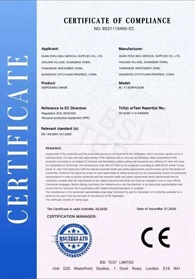
CE, FCC, RoHS, and especially UN38.3 for lithium batteries are non-negotiable. A single compliance failure can stop your shipment at customs. Who guarantees your documentation?
Volatile Component Pricing
As TechBullion reports, 2026 brings “SKU-specific shortages” for power management ICs and high-capacity cells. Without a strong sourcing network, you face unexpected price hikes and extended lead times.
👉 You don't just need a manufacturer—you need an engineering-driven EMS partner.
🔧 The HUB Circuits Solution: Full Turnkey Power Bank Assembly
We bring together 28 years of PCB fabrication, 25+ years of PCBA, and 20 years of custom cable & enclosure expertise under one roof. This means you get a seamlessly integrated power bank assembly, optimized for cost, performance, and speed to market.
Power Bank PCBA & BMS
Custom BMS design with support for PD 3.1, QC 5.0, AFC, SCP. We optimize cell balancing, thermal protection, and standby current. Up to 97% conversion efficiency.
Power Bank Attachments
Custom enclosures (ABS, PC+ABS, silicone, metal), wireless charging coils, USB-C/Micro-USB ports, LED indicators, and custom cable harnesses. All designed for perfect fit and assembly.
Box Build & Final Packaging
We don't just assemble the board—we integrate the cells, housing, and accessories, then perform full functional testing, aging, and packaging. You receive a retail-ready product.
⚙️ Engineering Support & NPI Collaboration
As noted in the NPI Engineering Support and Time-to-Market industry analysis, faster product introduction cycles depend on collaborative engineering. Our in-house team works directly with your engineers on:
✅ Design for Manufacturing (DFM) – reducing component count and assembly steps.
✅ Component selection – navigating the 2026 selective shortage landscape (source: Electronic Component Sourcing 2026 Guide).
✅ Prototype-to-production – concurrent engineering cuts timelines by up to 40%.
Talk to our engineers →
📊 Technical Specifications & Capabilities
Our facility is equipped to handle the full spectrum of power bank assembly. Here is how we compare to standard industry benchmarks:
| Parameter | HUB Circuits Capability | Industry Standard |
|---|---|---|
| PCBA Technology | SMT & THT (ISO 9001, IPC-A-610 Class 2/3) | Standard SMT |
| Battery Chemistry | Li-Ion, Li-Po (18650, 21700, pouch cells) | Limited to cylindrical |
| BMS Integration | Custom firmware & hardware (PD 3.1, QC 5.0, GaN ready) | Standard ICs |
| Enclosure Material | ABS, PC+ABS, Silicone, Metal, Bio-plastic options | ABS only |
| Output Power | Up to 240W (PD 3.1) per port | 100W typical |
| Wireless Charging | Qi2 certified, up to 15W (customizable) | Qi standard |
| Certifications | CE, FCC, RoHS, UN38.3, UL (process) | Varies, often incomplete |
| Lead Time (production) | 15-20 working days (after NPI) | 25-35 days |
| MOQ | 500-1000 units (flexible for pilot runs) | 3000+ units |
📌 Data updated Q1 2026. Contact us for custom specifications.
🤝 Trusted by Global Electronics Brands




“HUB Circuits helped us reduce our power bank BOM cost by 18% without sacrificing quality. Their engineering support is world-class, and their turnaround time is unbeatable.”
— John D., Product Manager, US Tech Brand
“We were struggling with CE and FCC compliance for our new power bank line. The HUB team handled all the documentation and testing, saving us months of headache.”
— Sarah L., Supply Chain Director, German Retail Chain


❓ Frequently Asked Questions
⭐ Real Reviews from Industry Peers
“HUB Circuits has been our go-to EMS partner for 5 years. Their power bank assembly quality is unmatched, and their pricing is transparent.”
— TechCorp, USA
“The best price-performance ratio I've found in the market. Highly recommend their turnkey services for any power bank project.”
— PowerUp, UK
“They helped us redesign our power bank attachments, cutting costs by 15% and improving ergonomics. Fantastic engineering team.”
— ChargePro, Germany


 + 100+ satisfied B2B clients
✍️ About the Author

David Chen
Senior EMS Solutions Architect, HUB Circuits
With over 20 years in electronic manufacturing and supply chain management, David has helped Fortune 500 companies and fast-growing startups bring their power solutions to market. He specializes in cost engineering, BMS optimization, and navigating complex international compliance landscapes.
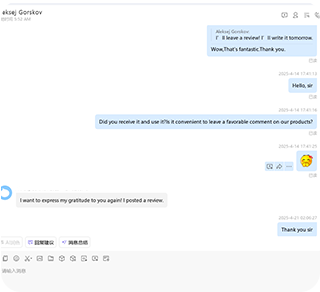
💬 Real Conversations, Real Trust
See how we collaborate with our clients in real-time—from initial quote to production updates.


📱 +86 15919758328 — We are available 7 days a week.
🚀 Ready to Launch Your Power Bank?
Get a free engineering review and a competitive quote within 24 hours.
HUB Circuits · 3A13, BLDG B, Xinbaosheng, Hexi Community, Xixiang Street, Bao'an District, Shenzhen, China 518126
Visit our contact page
If you have any camping barbeque equipment inquiry, please feel free to contact us.
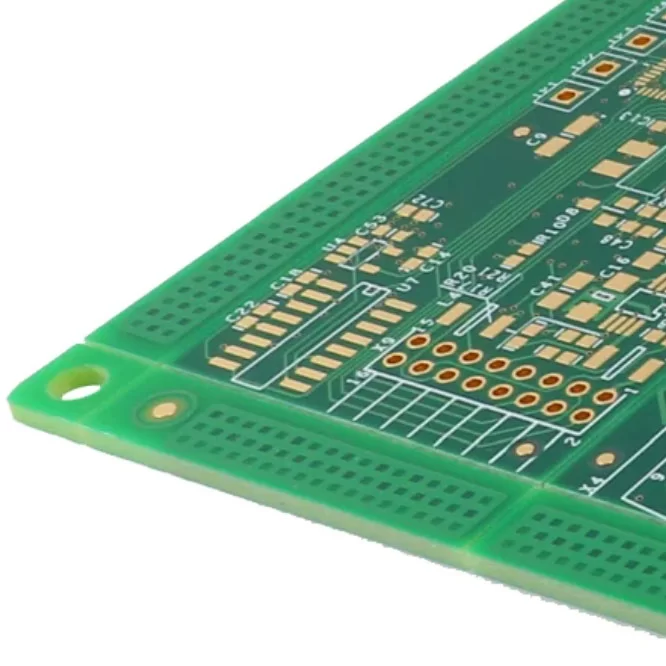
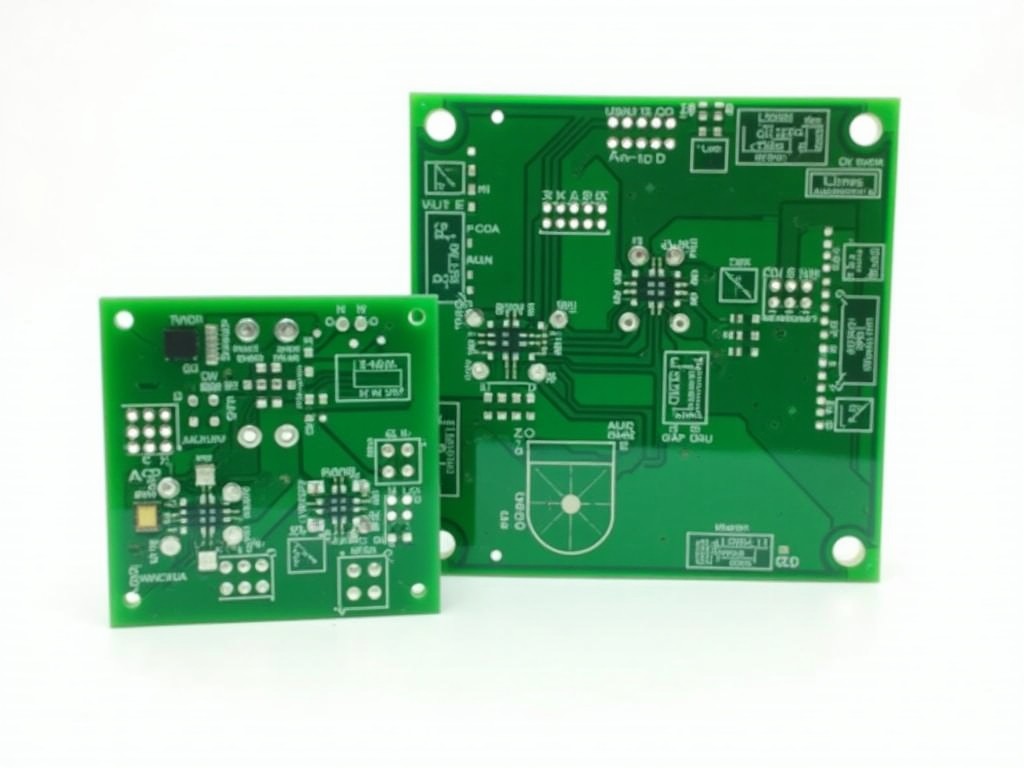
FR-4 stands out as one of the most versatile options. The composition of an FR-4 printed circuit board comprises a woven glass fabric reinforcement impregnated with a flame-retardant epoxy resin binder.

PCB type: Rigid PCB
Layer: Multi-layer
Base material: FR-4
Solder mask: Green
Silk screen: White
Surface treatment: HASL
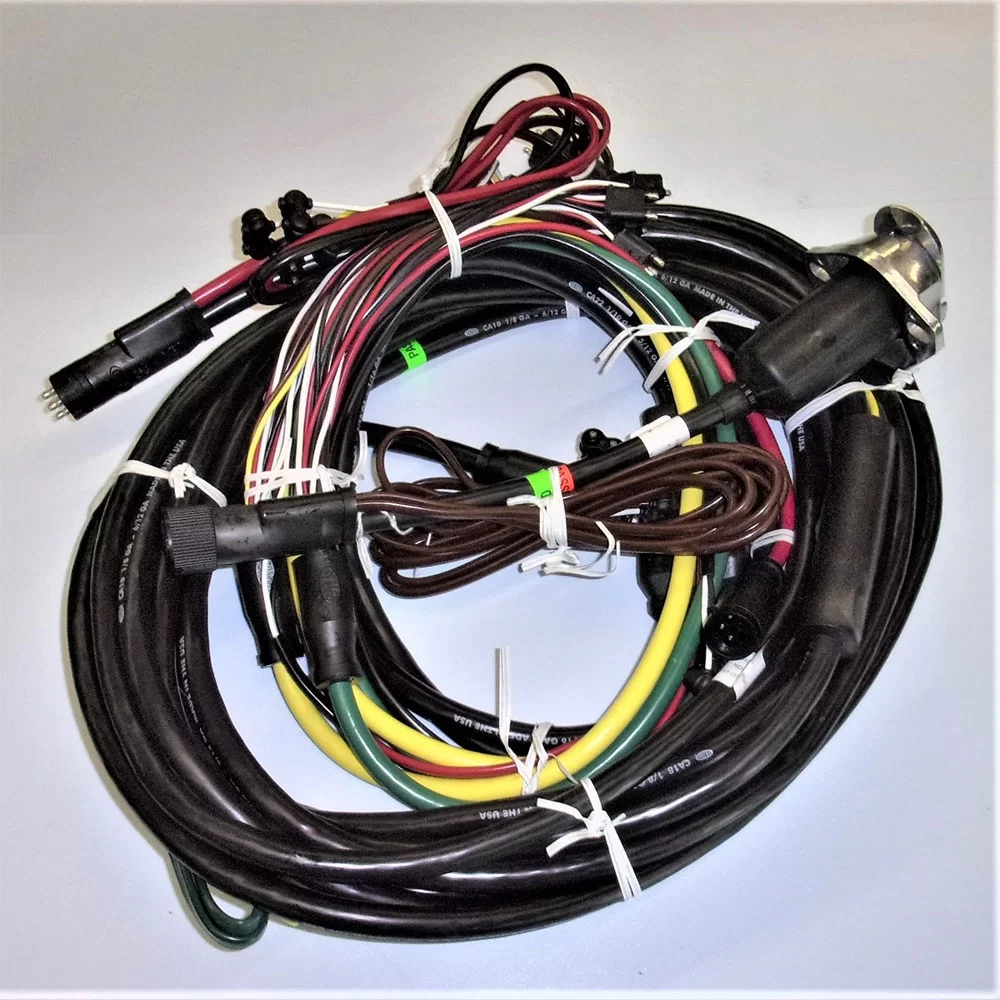
A truck wire harness is like the nervous system of a truck. It is a group of wires, connectors, and terminals that link all the electrical parts together.

Printed circuit boards are at the heart of countless electronic products, from consumer devices to industrial control systems. As modern electronics become smaller and more sophisticated, PCB layouts are becoming increasingly compact, with more components, interconnections, and functional circuits integrated into limited board space.

Modern electronic products continue to become smaller, faster, and more functionally integrated. To accommodate increasingly complex circuits, manufacturers place more components and conductive paths within limited PCB space.

A Printed Circuit Board (PCB) brings multiple electronic components together through carefully designed circuits and conductive traces. When the board is operating normally, each component performs its intended function and works together with the rest of the circuit. However, the failure of a single resistor, capacitor, diode, IC, connector, or other component can affect the performance of the entire system.


