
Silver Plated Substrate & Silver Circuit Board | Factory


Silver Plated Substrate & Silver Circuit Board | Factory-Direct Supply
Eliminate high pricing & quality inconsistency — factory-direct silver plated substrates and silver circuit boards with 28 years of engineering excellence, ISO 9001 certification, and rapid global delivery.
✅ Trusted by OEMs in 18+ countries | Free samples available | 24/7 engineering support
Why Your Current Silver Plated Substrate Supplier Is Costing You More Than You Think
Inflated Pricing Without Transparency
Many distributors mark up silver circuit board costs by 30–50% while offering no direct factory support. You pay for middlemen, not value.
Inconsistent Quality & Yield Loss
Varying silver plating thickness or poor adhesion causes field failures and rework costs. A 5% yield drop on a $500k order = $25,000 in hidden waste.
High Shipping Costs & Delays
Non-optimized packaging and fragmented logistics add 15–20% to landed costs. Lead times of 8–12 weeks are common — unacceptable for today’s fast NPI cycles.
Component Obsolescence & Sourcing Headaches
As electronic component shortages become more selective in 2026 (source: TechBullion), finding compatible silver-plated substrates for legacy designs is increasingly difficult without engineering redesign support.
Compliance & Certification Risks
Missing or outdated RoHS, REACH, UL certifications can block your products from entering US/EU markets. One non-compliance incident can cost $100k+ in penalties.
HUB Circuits: Your Factory-Direct Partner for Silver Plated Substrates & Silver Circuit Boards
With 28 years of PCB manufacturing expertise, we deliver ISO 9001 / IPC-A-610 / UL-certified silver plated substrates and silver circuit boards — engineered for high reliability, low loss, and fast turnarounds.
Direct Factory Power
Eliminate middlemen. Our in-house production of silver plated substrate and silver circuit board gives you pricing that is 20–35% lower than distributor channels, with full traceability.
Quality Assurance You Can Trust
Every lot undergoes impedance testing, silver thickness verification (XRF), thermal cycling, and solderability testing. < 0.5% customer return rate — backed by data.
High-Speed Delivery
Prototype silver circuit boards in 48–72 hours, production orders in 5–10 working days. Our concurrent engineering approach cuts NPI timelines by up to 40% (Industry Analysis, 2025).
OEM/ODM Engineering Support
Our engineers review every order — DFM feedback, stack-up optimization, and material selection for silver plated substrates. We provide full engineering support including redesign for obsolescence management.
Global Compliance & Certifications
All products are RoHS, REACH, UL 94V-0, and IPC-A-610 Class 2/3 compliant. We maintain ISO 9001:2015 certification and provide full documentation for your regulatory audits.
Integrated Box Build & Full Assembly
Beyond bare boards, we offer turnkey PCBA, box build assembly, cable harnesses, and enclosure integration — reducing your supplier management burden by up to 60% (Federal Elec, 2025).
📊 Technical Specifications — Silver Plated Substrate & Silver Circuit Board
*Custom specifications available upon request. Contact our engineering team for your exact requirements.
🔧 Where Silver Plated Substrates & Silver Circuit Boards Deliver Maximum Impact
RF & Microwave
Low-loss silver plated substrates for 5G, satellite, and radar systems up to 40 GHz.
Automotive Electronics
High-reliability silver circuit boards for ADAS, EV power modules, and infotainment.
Medical Devices
Biocompatible silver plating for implantable devices, diagnostic equipment, and sensors.
Industrial Automation
Robust silver circuit boards for PLCs, robotics controllers, and IoT gateways.
Aerospace & Defense
MIL-spec silver plated substrates for avionics, navigation, and communication systems.
🏆 Trusted by Global Leaders — 28 Years of Delivering Excellence
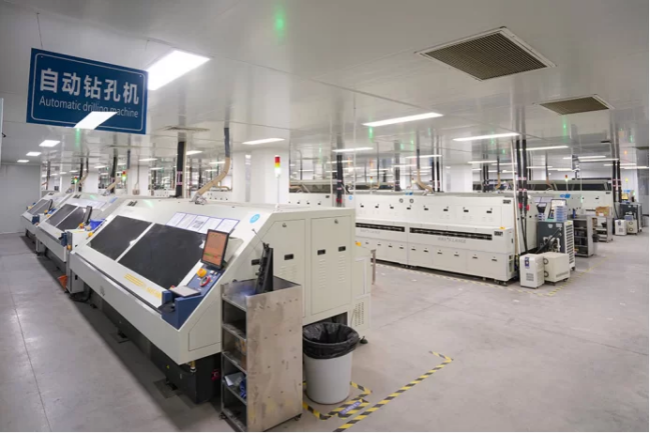
Our ISO 9001-certified production facility in Shenzhen, China — 28 years of PCB manufacturing excellence.



 + 150+ global OEMs trust HUB Circuits



“HUB Circuits’ silver plated substrates reduced our RF signal loss by 18% compared to our previous supplier. Their engineering team helped us optimize the stack-up in just 2 weeks.”

“We switched to HUB Circuits for our silver circuit board production and saved 32% on unit costs while improving delivery reliability from 65% to 98% on-time.”

“The OEM/ODM engineering support from HUB Circuits was invaluable. They helped us redesign our silver plated substrate for a discontinued component — extending product life by 5+ years.”

❓ Frequently Asked Questions About Silver Plated Substrates & Silver Circuit Boards
Q1: What is the difference between a silver plated substrate and a standard silver circuit board?
Answer: A silver plated substrate typically refers to a base material (e.g., FR-4, ceramic, PTFE) with a layer of silver applied via immersion or electrolytic plating — optimized for high-frequency, low-loss applications. A silver circuit board is a broader term that includes any PCB using silver as the surface finish, often for cost-effective, lead-free assemblies. At HUB Circuits, we manufacture both with tight process control and full traceability.
Q2: What certifications do your silver plated substrates carry?
Answer: All our products are ISO 9001:2015, UL 94V-0, RoHS, and REACH compliant. We also provide IPC-A-610 Class 2/3 for assembled boards, and can support additional certifications (FDA, FCC, CE) upon request.
Q3: How do you ensure consistent silver plating thickness across the board?
Answer: We use XRF (X-ray fluorescence) measurement at multiple points on every panel. Our process control holds thickness within ±0.15 µm for immersion silver, with 100% in-process inspection documented in your lot traceability report.
Q4: What is your typical lead time for silver circuit board prototypes and production?
Answer: Prototypes: 48–72 hours for standard silver circuit boards. Production orders: 5–10 working days for most configurations. We also offer express service for urgent requirements.
Q5: Do you offer engineering support for custom silver plated substrate designs?
Answer: Absolutely. Our in-house engineering team provides DFM review, stack-up design, material selection, and impedance simulation — all at no extra cost. We also support redesign for obsolescence and reverse engineering for legacy parts (see Industry Analysis, 2025).
Q6: How do you handle shipping and logistics for international customers?
Answer: We offer DDP, DAP, FOB, and EXW terms. Our logistics partners include DHL, FedEx, UPS, and air/sea freight options. We use ESD-safe, moisture-barrier packaging and provide real-time tracking for every order. For customers in the USA and Europe, we also offer regional warehousing options to reduce transit times.
Q7: Can I get free samples before placing a production order?
Answer: Yes, we offer free samples for qualified OEMs and engineering teams. You only pay for shipping. Contact us with your requirements and we’ll provide a sample within 3–5 days.
Q8: What is your minimum order quantity (MOQ) for silver plated substrates?
Answer: For prototypes, our MOQ is 1 piece. For production, typical MOQ is 50–100 pieces, but we can flex based on your project needs. We understand that NPI requires flexibility.
⭐ What Our Customers Are Saying

“We’ve been buying silver circuit boards from HUB Circuits for 18 months. Their quality is consistent, and their engineering support saved us 3 weeks of design time. Highly recommend.”

“The silver plated substrate samples we received were exactly to spec. HUB Circuits’ DFM feedback helped us improve our design for manufacturability. Great partner for innovation.”
“HUB Circuits helped us reduce our total cost of ownership by 27% on silver circuit boards while improving lead times. Their box build assembly service also simplified our supply chain. A true strategic partner.”

Written by James Chen, Senior PCB Process Engineer at HUB Circuits with 22 years of experience in PCB fabrication, silver plating technology, and high-frequency substrate design. James has authored multiple industry whitepapers and holds patents in immersion silver surface treatment processes. He is dedicated to helping OEMs achieve reliable, cost-effective circuit board solutions.
💬 Real Conversations, Real Support

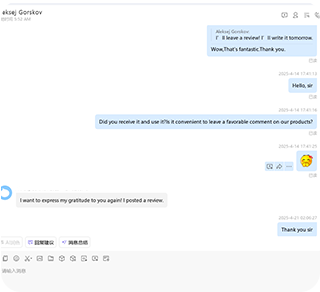
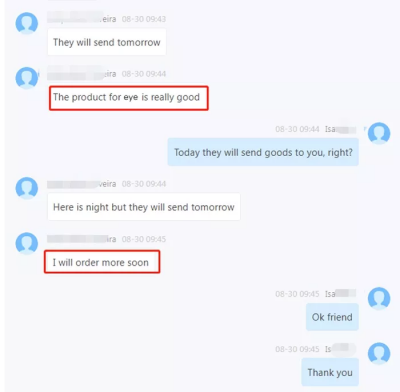
Our engineering team provides real-time support — from DFM review to delivery tracking.
🚀 Ready to Source Your Silver Plated Substrates & Silver Circuit Boards at Factory-Direct Prices?
Get a free quote within 24 hours — including DFM review, lead time, and landed cost estimate. Free samples available for qualified projects.
📞 Phone: +86 15919758328 | ✉️ Email: wendy@hubcircuits.com
📍 3A13, BLDG B, Xinbaosheng, Hexi Community, Xixiang Street, Bao'an District, Shenzhen, China 518126
✅ Risk-free: Free samples available | ✅ No MOQ for prototypes | ✅ ISO 9001 & UL certified | ✅ 28 years of engineering excellence
If you have any camping barbeque equipment inquiry, please feel free to contact us.
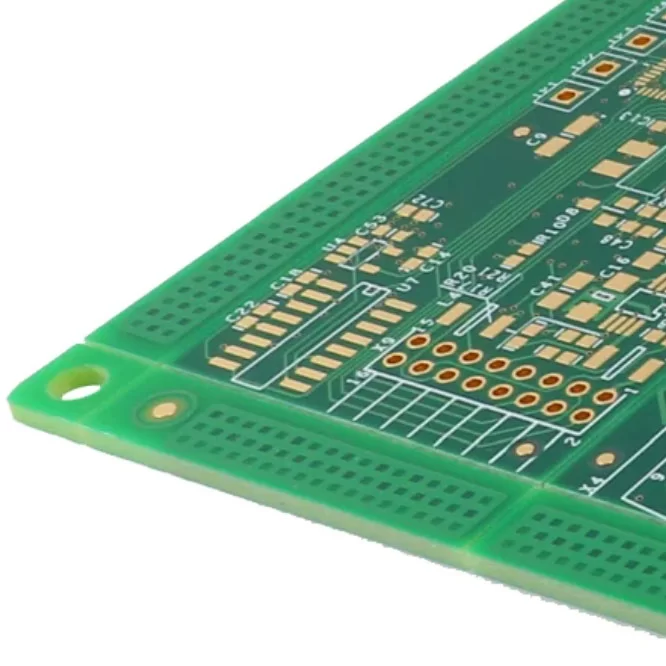
FR-4 stands out as one of the most versatile options. The composition of an FR-4 printed circuit board comprises a woven glass fabric reinforcement impregnated with a flame-retardant epoxy resin binder.

PCB type: Rigid PCB
Layer: Multi-layer
Base material: FR-4
Solder mask: Green
Silk screen: White
Surface treatment: HASL
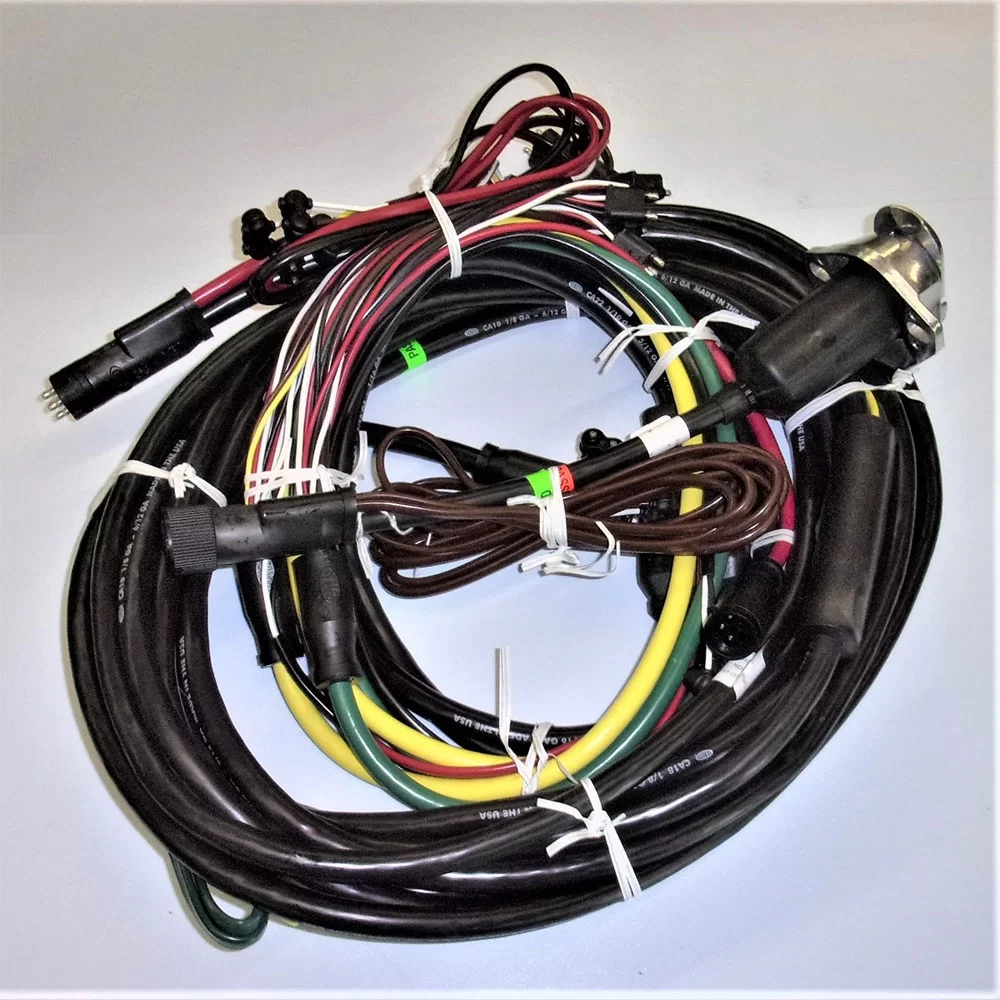
A truck wire harness is like the nervous system of a truck. It is a group of wires, connectors, and terminals that link all the electrical parts together.

Choosing the right prototyping board is an important step in developing and testing electronic circuits.

Printed circuit board (PCB) technology continues to evolve, enabling electronic products to become smaller, faster, and more reliable. From smartphones and laptops to industrial control systems, modern electronics depend on PCBs that undergo careful design, manufacturing, assembly, and verification before reaching the market.

The continuous development of electronic devices has created a growing demand for compact, high-performance circuit boards. From advanced computing systems to industrial control equipment, modern electronics increasingly rely on printed circuit boards (PCBs) with higher component densities, more complex routing structures, and stricter reliability requirements.


