
Solving Modern Miniaturization Bottlenecks with SMT & BGA Surface Mount PCB Assembly
When engineering high-density interconnection (HDI) devices for telecommunications, life-saving medical equipment, or advanced automotive electronics, hardware teams frequently encounter severe manufacturing bottlenecks. Transitioning a complex design from the prototyping phase to reliable production often exposes critical vulnerabilities in component placement accuracy, thermal management, and solder joint integrity. Precision is absolutely paramount, especially when handling tightly packed architectures and complex micro-components.
Addressing this exact industry friction, HUB Circuits serves as the definitive one-stop solution from fabrication to assembly. By focusing strictly on rapid prototyping combined with high-mix, low-to-medium volume production, we drastically reduce turnaround times without sacrificing manufacturing tolerances. Operating out of our advanced Shenzhen facility, we leverage state-of-the-art testing equipment alongside strictly audited ISO 9001 certified and UL-recognized processes. This ensures your most ambitious designs achieve flawless execution and uncompromising product safety from the very first iteration.
Engineering Standards for SMT & BGA Surface Mount PCB Assembly
Achieving superior reliability in modern electronics requires a rigorous adherence to specialized manufacturing tolerances. The technical parameters and equipment capabilities applied during fabrication directly dictate the performance limits of the final product, especially in mission-critical industrial and telecommunications environments.
| Performance Metric | Industry Significance | Our Engineering Standard | Advantage |
|---|---|---|---|
| High-Layer Count Scalability | Essential for routing miniaturized, high-speed electronic circuits without crosstalk. | Precision fabrication capable of handling 1-32 layers. | Enables seamless integration of densely packed arrays on a drastically reduced footprint. |
| Advanced HDI Interconnection | Crucial for successful micro-component and fine-pitch escape routing. | Specialized HDI boards featuring ultra-fine line width, spacing, and advanced surface finishes. | Prevents signal integrity loss in high-frequency telecommunications and high-speed industrial controls. |
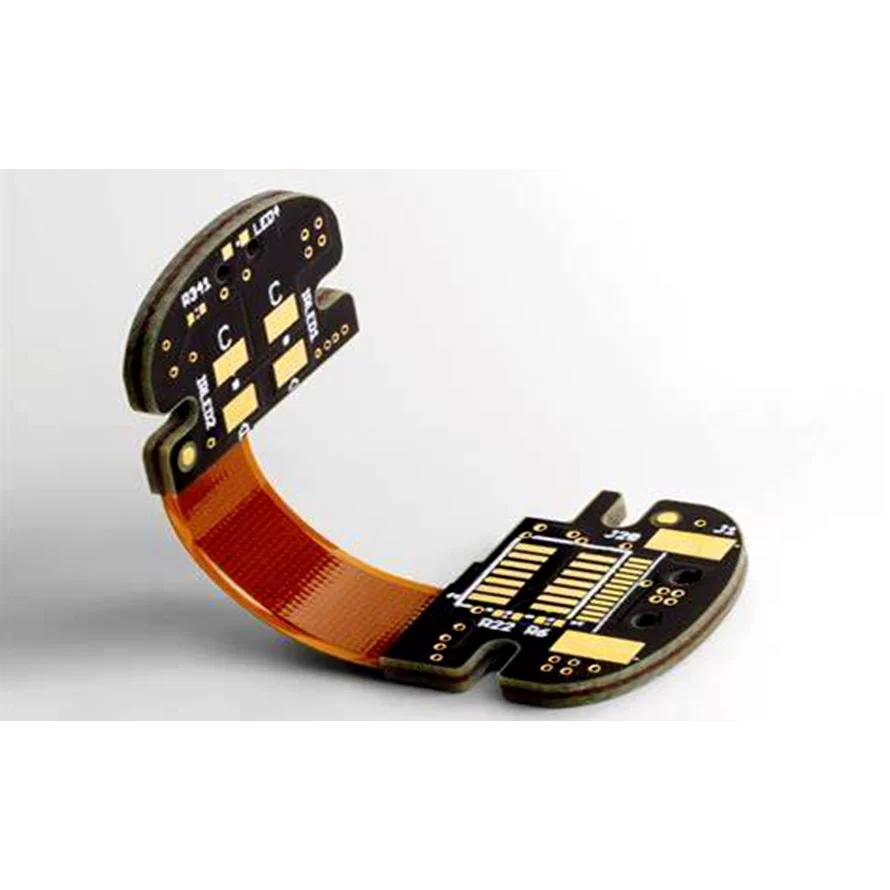
| Versatile Substrate Handling | Different physical applications require unique thermal and flexibility profiles. | Expertise across Flexible PCBs, Rigid-Flex, and Aluminum base boards. | Delivers superior thermal dissipation and mechanical adaptability for complex automotive electronics. |
| Global Quality Assurance | Guarantees consistent reliability and safety in highly regulated global markets. | Strict adherence to ISO 9001 quality management and UL-recognized product safety standards. | Ensures a zero-defect tolerance, fostering long-term operational stability and regulatory compliance. |
Maximizing ROI with SMT & BGA Surface Mount PCB Assembly
Strategic procurement in electronics manufacturing extends far beyond simple per-unit cost analysis. True value engineering realizes that upfront investments in superior quality control and an agile production framework yield massive financial dividends over the product lifecycle. By eliminating post-production rework and avoiding catastrophic field failures, hardware developers can lower their Total Cost of Ownership (TCO) while capturing market share significantly faster.
Leveraging a seamlessly integrated, one-stop service model for rapid prototyping and high-mix production dramatically accelerates your time-to-market. This end-to-end integration mitigates logistical overhead, prevents costly communication silos between board fabricators and assemblers, and guarantees structural consistency. The resulting acceleration in product deployment translates directly into maximized operational profitability and sustained global market authority.
Related products


Top Selling Products



Zero PCB vs General Purpose PCB: Key Differences & Uses
Choosing the right prototyping board is an important step in developing and testing electronic circuits.

What is PCB Prototyping? Benefits & Process
Printed circuit board (PCB) technology continues to evolve, enabling electronic products to become smaller, faster, and more reliable. From smartphones and laptops to industrial control systems, modern electronics depend on PCBs that undergo careful design, manufacturing, assembly, and verification before reaching the market.

PCB Via Filling: Enhancing Reliability and Performance
The continuous development of electronic devices has created a growing demand for compact, high-performance circuit boards. From advanced computing systems to industrial control equipment, modern electronics increasingly rely on printed circuit boards (PCBs) with higher component densities, more complex routing structures, and stricter reliability requirements.

How to Solder Wire to PCB Board Correctly
Wire soldering is an essential skill in electronics development, circuit board repair, and electronic product manufacturing. A properly soldered connection helps maintain stable electrical performance while preventing wires from loosening during handling, installation, or equipment operation.


