
High Speed FR4 PCB
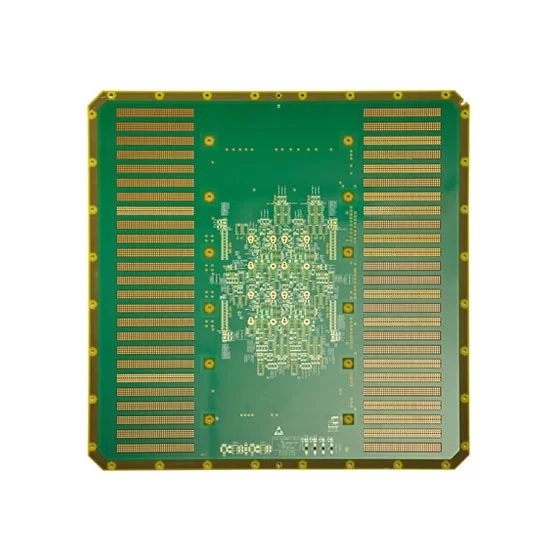
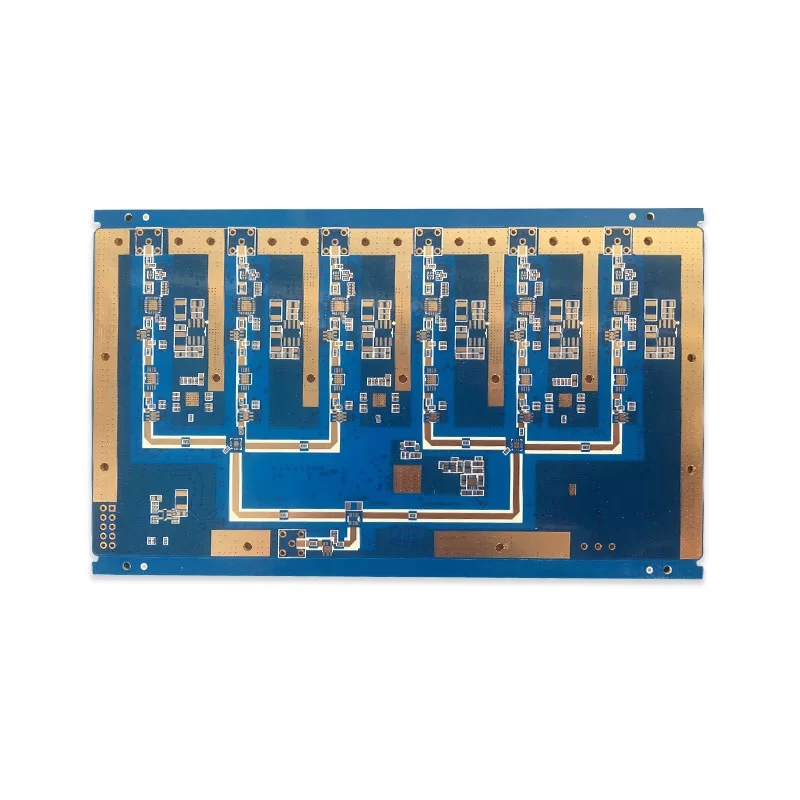
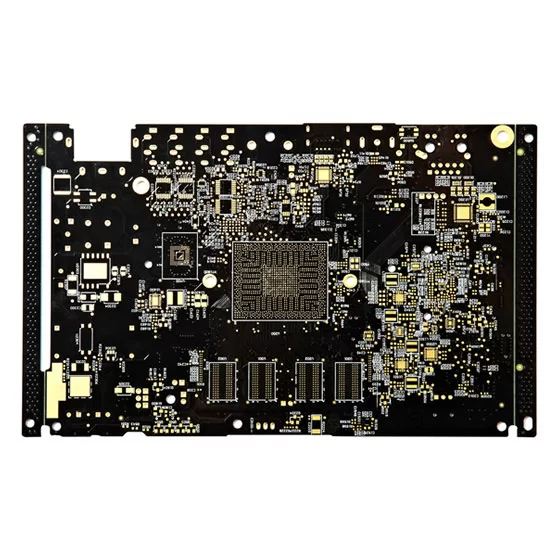
About High Speed FR4
A high-speed PCB is a specialized PCB designed to handle high-frequency signals (converting higher frequencies into faster data rates), characterized by high signal transmission speeds and operating frequencies above 1GHz. Its design and manufacturing require special attention to signal integrity, power integrity, and electromagnetic compatibility (EMC/EMI).
Typically, its core material is high-frequency, high-speed copper-clad laminates with low dielectric constant (Dk) and low dielectric loss factor (Df). Additionally, to ensure signal quality and reduce losses, its impedance must be controlled at a low level, and the substrate needs low water absorption. With technological advancement, its market demand continues to grow, finding applications in computer motherboards, industrial control computers, measurement and control instruments, etc.
Characteristics of High Speed FR4
Low Dk/Df Dielectrics: Critical for signal integrity—low Dk reduces attenuation for higher frequencies, low Df minimizes heat. Common options: Rogers 4000, Isola I-Tera, Panasonic Megatron-6.
- Differential Pairs: Balanced routing for equal-opposite signals (Ethernet, HDMI, etc.), with strict predefined impedance; appears as two parallel traces between ICs/ports.
- Impedance Control: Essential for high frequencies (tight tolerances), including differential pair and microstrip/single-ended types.
- Length-Matched Traces: Equal lengths ensure time synchronization (e.g., GMII’s 8 time-sensitive lines), identifiable by sine wave-like compensation curves.
- Special Stackups: 4+ layers with dedicated ground (signal reference) and power planes (high-speed signals avoid power layers); 2+ cores (insulation/crosstalk) and tight dimensional tolerances.
- Trace Geometry: Short, uniform-length traces with no 90° bends (obtuse/curves); length-matched traces may have sine wave patterns.
- EMI Protection: Via stitching (ground-net vias) + dedicated ground plane; weak pull-down resistors protect idle channels.
- Dedicated Power Delivery: Inner-layer power planes (adjacent to ground, reducing EMI), power via delivery to ICs; decoupling capacitors filter noise.
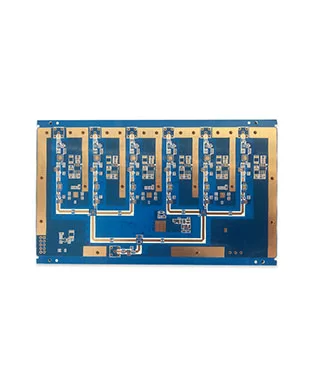
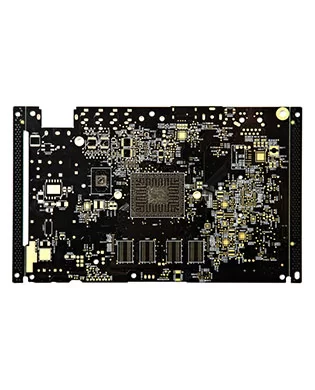
If you have any camping barbeque equipment inquiry, please feel free to contact us.
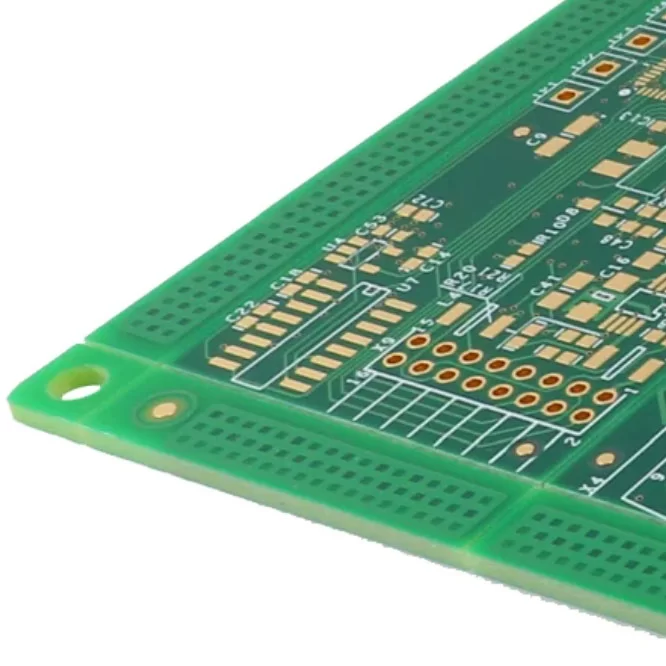
FR-4 stands out as one of the most versatile options. The composition of an FR-4 printed circuit board comprises a woven glass fabric reinforcement impregnated with a flame-retardant epoxy resin binder.

PCB type: Rigid PCB
Layer: Multi-layer
Base material: FR-4
Solder mask: Green
Silk screen: White
Surface treatment: HASL
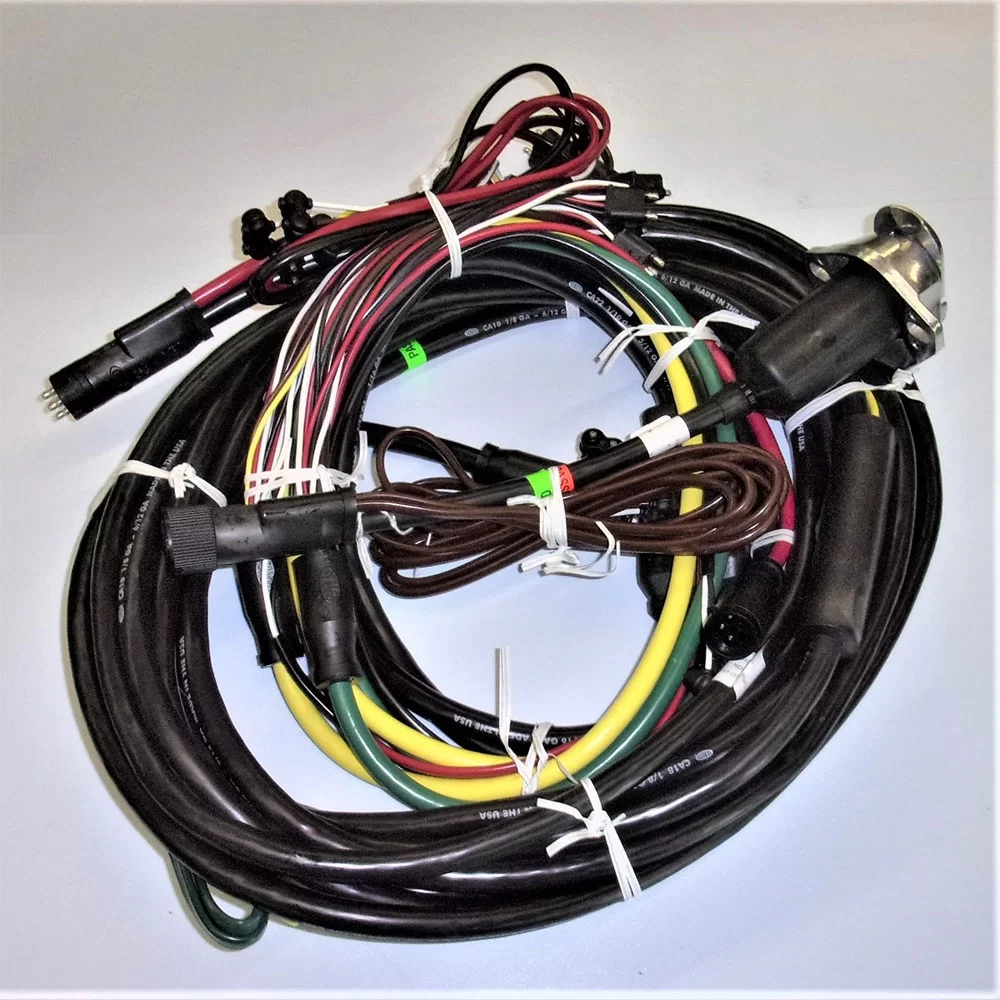
A truck wire harness is like the nervous system of a truck. It is a group of wires, connectors, and terminals that link all the electrical parts together.

Choosing the right prototyping board is an important step in developing and testing electronic circuits.

Printed circuit board (PCB) technology continues to evolve, enabling electronic products to become smaller, faster, and more reliable. From smartphones and laptops to industrial control systems, modern electronics depend on PCBs that undergo careful design, manufacturing, assembly, and verification before reaching the market.

The continuous development of electronic devices has created a growing demand for compact, high-performance circuit boards. From advanced computing systems to industrial control equipment, modern electronics increasingly rely on printed circuit boards (PCBs) with higher component densities, more complex routing structures, and stricter reliability requirements.


