
Sensor IC Substrate PCB
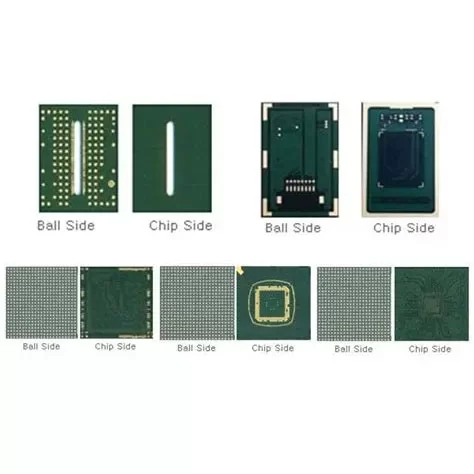
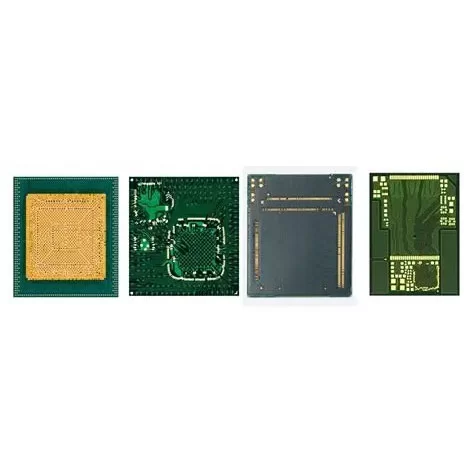
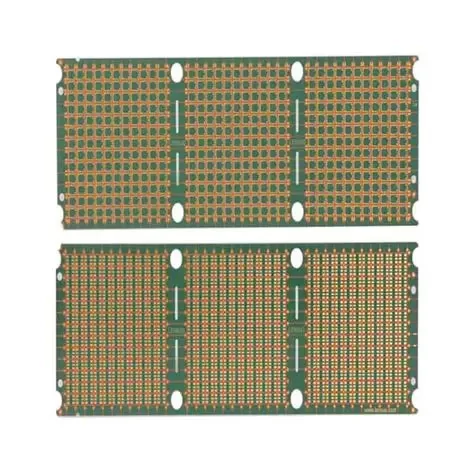
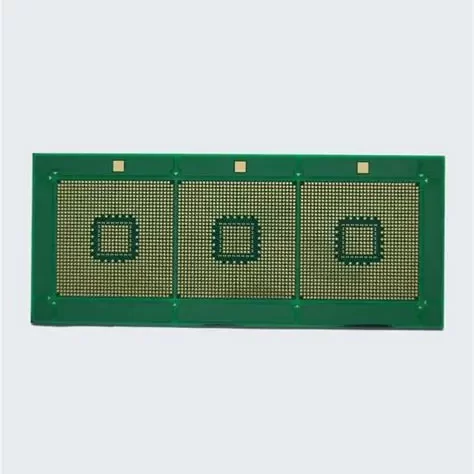
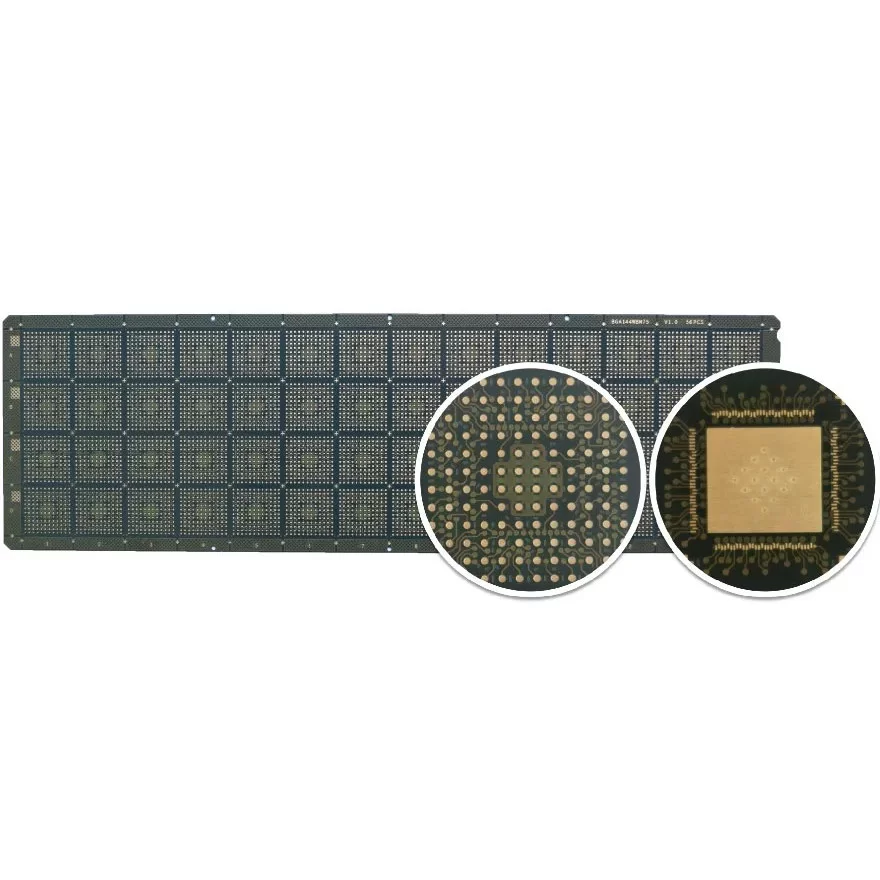
Data Sheet
Product Name: Sensor IC Substrate
Material: SI1OU
Minimum width/spacing: 35/35um
- Surface: Immersion Gold
- PCB thickness: 0.3mm
- Layer: 4Layers
- Structure: 1L-4L, 1L-2L, 3L-4L
- Solder mask ink: TAIYO PSR4000 AUS308
- Aperture: Laser hole 0.075mm, Mechanical hole 0.1mm
- Application: Sensor IC Substrate
Functions of Sensor IC Substrate
The IC substrate acts as a bridge that connects the microchip and PCB by making electrical connections.
- It provides mechanical support to the chip.
- IC substrate plays a key function in managing heat dissipation and preventing overheating.
- The IC substrate protects the microchip from external environmental conditions.
- Their small size and light weight help designers manufacture smart devices.
Application
Consumer Electronics: mobile phone processors, memory devices and digital cameras etc.
RF Technologies: The RF technologies require high frequency and high-speed transmission, e.g. 5G.
- Military Industry: Drones, missiles, and aircraft etc.
- Automotive Electronics: navigation modules and autonomous driving systems.
- Medical Devices: pacemakers for heart patients and other diagnostic equipment.
Common Materials in IC Circuit Substrates
FR-4, ceramic, and organic laminates are widely used core materials. FR-4 is favored for its excellent mechanical and thermal properties, while ceramic substrates are used in high-frequency and high-power applications due to their excellent thermal conductivity and electrical insulation.
Copper is the primary conductive material used in IC substrates due to its high electrical conductivity and thermal properties. Gold and silver are also used in specific applications requiring high reliability and corrosion resistance.
Advanced dielectric materials such as epoxy and polyimide are used to insulate the conductive layers. These materials offer excellent electrical insulation, thermal stability, and chemical resistance.
ENIG, OSP, and immersion tin are common surface finishes that improve solderability and protect the substrate from oxidation and corrosion.
Epoxy-based soldermasks are often used to protect circuitry and prevent solder bridges during assembly.
If you have any camping barbeque equipment inquiry, please feel free to contact us.
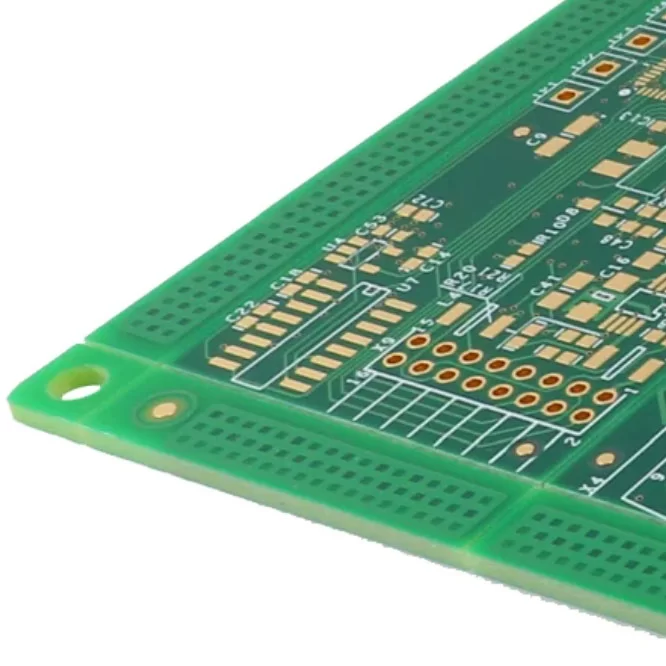
FR-4 stands out as one of the most versatile options. The composition of an FR-4 printed circuit board comprises a woven glass fabric reinforcement impregnated with a flame-retardant epoxy resin binder.

PCB type: Rigid PCB
Layer: Multi-layer
Base material: FR-4
Solder mask: Green
Silk screen: White
Surface treatment: HASL
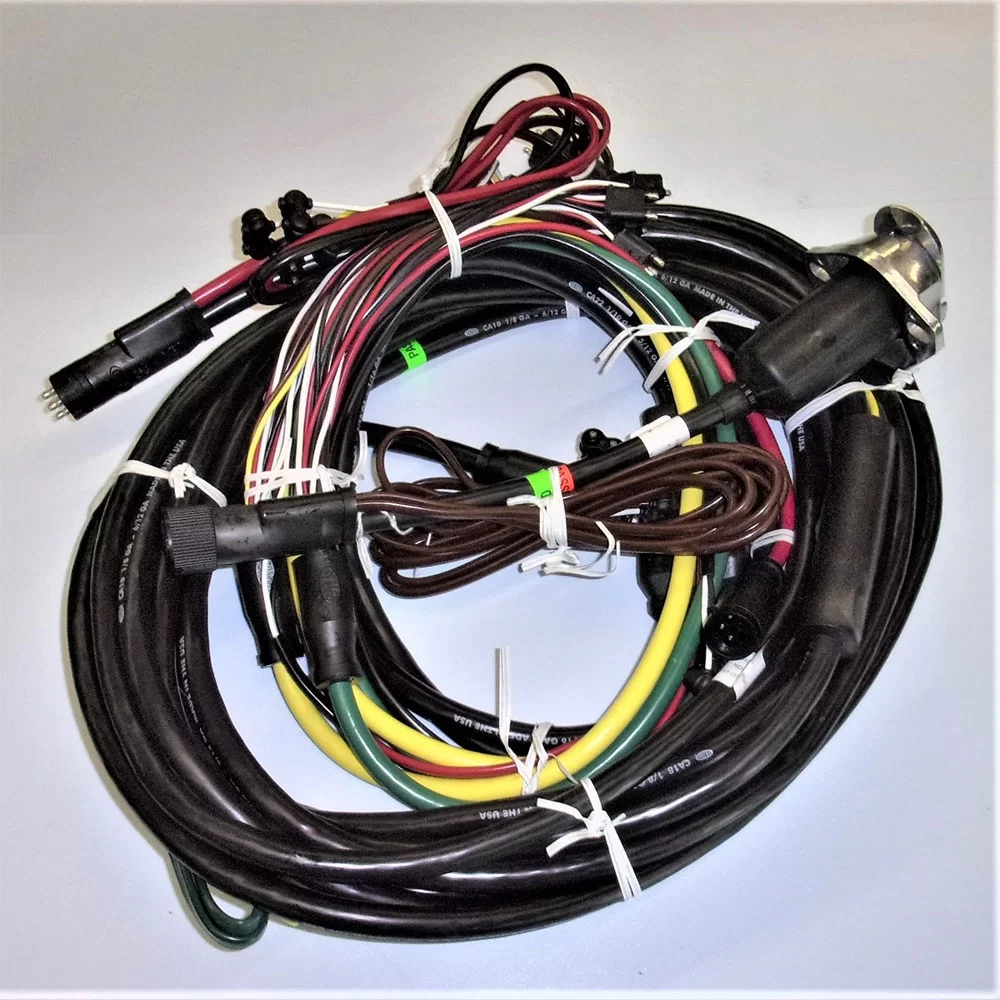
A truck wire harness is like the nervous system of a truck. It is a group of wires, connectors, and terminals that link all the electrical parts together.

The continuous development of electronic devices has created a growing demand for compact, high-performance circuit boards. From advanced computing systems to industrial control equipment, modern electronics increasingly rely on printed circuit boards (PCBs) with higher component densities, more complex routing structures, and stricter reliability requirements.

Wire soldering is an essential skill in electronics development, circuit board repair, and electronic product manufacturing. A properly soldered connection helps maintain stable electrical performance while preventing wires from loosening during handling, installation, or equipment operation.

Printed circuit board (PCB) defects can interrupt electrical signals, affect system stability, and prevent electronic devices from operating as intended.


